

Alumni Spotlight on Justin George, '13
We recently caught up with alumnus Justin George, who graduated in 2013, and learned about his favorite Northstar memories, what keeps him busy these days, and his advice for other young adults with autism.
Tell me a little bit about yourself. Where did you grow up? What was your childhood like?
My name is Justin Dylan George and I grew up in Enon, Virginia along with my brother Jay. My parents Bill and Kathy are not originally from Virginia, but it was nice for the four of us to live there from when I was born until 2022 when we moved out of state. While school was difficult for me to navigate, I had a lot of fun experiences at home with my family from our backyard pool, bike riding, camping, bodysurfing at the beach, and performing in a skate club to name a few.
What age were you when you first came to Northstar? What was it like?
I was approximately 16 years old. It was a new experience and I found that as time went on, I was able to become more comfortable with being in a private school in order to graduate on time and with a standard diploma. At the time, we had school at the Shrader Road location with the train cars, so I thought that was a neat environment.
Do any classes, events, or memories stick out to you as something special during your time at Northstar?
Being able to conduct experiments in science class with Mr. Bradner was awesome. We got to learn how to safely launch and mix things, pay attention to the experiments, and make detailed observations afterwards in our notebooks. In Mr. Latham's English class, I learned how to become a better writer which is one of my strengths today. While it is important to have strong verbal speaking skills, I was taught how to capture those ideas and articulate them on paper. Being able to do the speech at graduation was also inspiring, because Mr. Latham encouraged us to think critically of what graduation meant for us, in addition to the lessons learned. I also appreciate being able to play on the basketball team against other schools and participating in the after school science club. One of my favorite memories was showing and sharing about my portable ham radio as I held (and still do) an amateur radio license.

How did Northstar help prepare you for where you are now?
I was able to take part in volunteering at the Lewis Ginter Botanical Gardens and have some new experiences.
How has life changed since graduation? What keeps you busy these days?
In 2022, my family and I moved out of Virginia. I took on more responsibility for my family. While my father was undergoing treatment for prostate cancer in Richmond, my brother and I closed on the house and I was on the receiving end of the moving truck. This has been a period of growth for me as I only truly accepted having autism and ADHD about two years ago.
You've mentioned that you love having autism. Why do you love it?
While I do not define myself by my diagnosis, I have come to accept it is a part of who I am and I would not change it. I think it is really neat to think about the way I process information and just the way my brain feels. I also enjoy the sharp memory recall and the ability to focus on things, which is why I can use it to help my Church communities, my family, friends and connecting people across the country.
Do you have any advice to younger folks with autism who are just starting to navigate their adult life?
You might be overwhelmed at first or have many options presented to you in terms of your next steps. I would say to look at the bigger picture because I feel that was something I didn’t do.
What are you currently working on?
I am a strong advocate of the Hope Florida model and continue my involvement in politics. I am currently in transition while both my brother Jay and I are helping my parents navigate my father’s Alzheimer’s and vascular dementia. My family and I are staying positive and using the Hope Florida model in our next chapters together.
Looking to get connected with Northstar's Alumni Network? Email volunteers@northstarva.org to learn more about upcoming events and how to stay in touch.
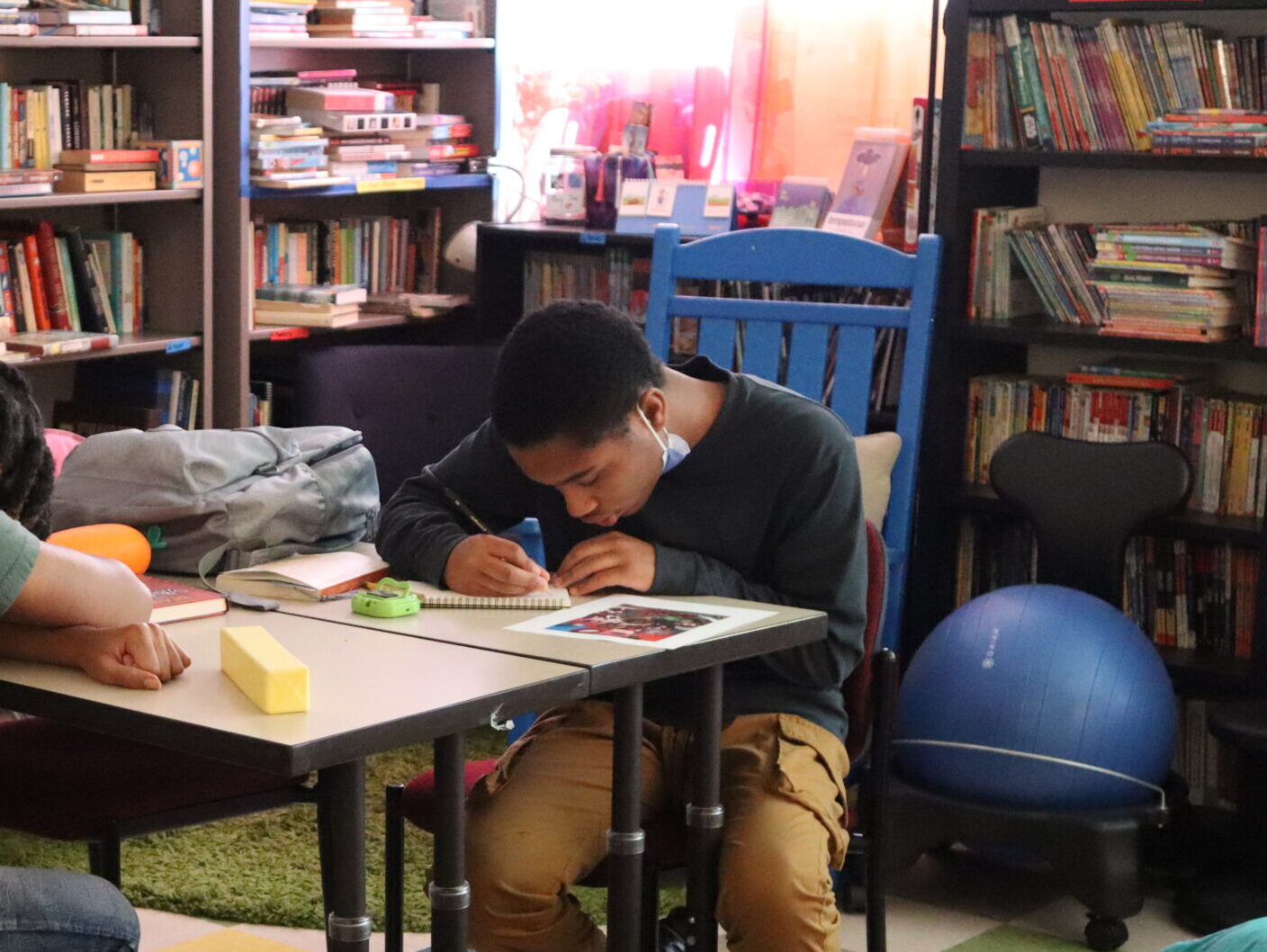
AuDHD: the Autism and ADHD Combo
You’ve heard of autism. You’ve heard of ADHD. But have you heard of AuDHD?
This term is a portmanteau of two diagnoses: autism and ADHD, or attention deficit hyperactivity disorder. The informal term has been picked up by online communities to describe the confluence of these two diagnoses and how they may play into one another. According to the Centers for Disease Control and Prevention (CDC), autism spectrum disorder is among the conditions that can co-occur with ADHD.
Although autism and ADHD can share certain characteristics, they can also present seemingly opposing tendencies. For example, some autistic individuals find comfort in routines and predictability, while some people with ADHD seek novelty or struggle with repetitive tasks. Someone with AuDHD may experience both tendencies, creating an internal push and pull between wanting structure and craving variety.
AuDHD is not simply "half autism and half ADHD." Each person's experiences are unique, and the characteristics of both conditions can interact in complex ways.

For example, in school, a student with AuDHD might experience hyperactivity during class (ADHD symptom) while also hyperfocusing on their specific interests (autistic trait). This kind of fluctuation may lead to feeling easily distracted or struggle paying attention to lessons. This concurrence of clashing symptoms may cause students to undergo burnout when transitioning throughout the school day.
Understanding these differences can help educators provide individualized support. Clear expectations, visual schedules, movement breaks, and flexible approaches to assignments may help students navigate their learning environments. The most important part of educating students with AuDHD is providing a safe, judgement-free space for them to learn and grow.
Ultimately, understanding AuDHD begins with recognizing that no two students are alike. By focusing on individual strengths, challenges, and support needs, families and educators can help students build confidence, develop skills, and succeed at school and beyond.
If your child is struggling in a traditional school environment, Northstar Academy & Career Center offers a structured, supportive approach designed to meet diverse learning needs.
Ready to learn more? Explore Northstar’s admissions process or schedule a private tour today.