
Math: A Lesson in Timing
Timing is everything - whether you are running a race, buying the last shirt in your specific size, or meeting your life partner. It’s also true when it comes to learning math.
The pace at which educators teach students with disabilities can be a critical factor in how well they process information and make connections to “get the right answer,” says David Rosko, who teaches high school Calculus and Algebra at Northstar Academy & Career Center.
Rosko watched this play out over and over while teaching in Chicago and Virginia public schools, where math is taught at a brisk pace.
“When I first came here to Northstar, my pace of teaching math was a shock for the students, so I had to scale it back a little,” Rosko explains. “We’re still doing all the content required by Virginia’s SOLs, but the pace is slower."

Math Curriculum + Family Input + Problem Solving = Success
Northstar’s curriculum meets Virginia’s Standards of Learning (SOLs). That’s a starting point, according to Rosko. Setting expectations and scaling them to support individual levels and goals involves good communication with students and families. It's something he believes Northstar does well.
“There is a flexibility for different teaching styles and a community of support that is different here,” he notes. “This is also a place where a teacher with a softer touch is a great fit for students.“
Northstar students also have an important advantage with small class sizes. While public school system classes commonly reach upwards of 20 - 30 students in a class, the student:teacher ratio for special education classes is capped at 8:1.
“That’s when you see the students and their families struggle,” says Rosko, who knows the pattern well, not just as an educator, but as a father who raised two children on the autism spectrum.
“We know having a child with a disability is difficult. It’s stressful on the whole family,” he says. “At Northstar, we want you to feel supported and comfortable.”

Experience and Agility Guide Hands-On Teaching
Middle-school teacher Edna Heinig has taught math for 26 years 一 15 years at Northstar. Her experience and flexible teaching methods enable her to change course rapidly. She recalls years in which each student in her class was operating at a different instructional level.
“I have the flexibility to teach differently, to provide a 1:1 approach when it comes to teaching strategies and pace," says Heinig. For instance, she explains, what might take two weeks to teach in a standard public school class may take four weeks to teach at Northstar. “We can work at their pace. Whatever is in the best interest of the child is most important.”
Heinig’s overall teaching philosophy and goal is to use math as a way to teach students how to pay attention to the details, follow instructions, and learn social skills through collaborating. “Math can help students learn to get along with others and help them acquire skills to survive in the world outside of Northstar,” she says.

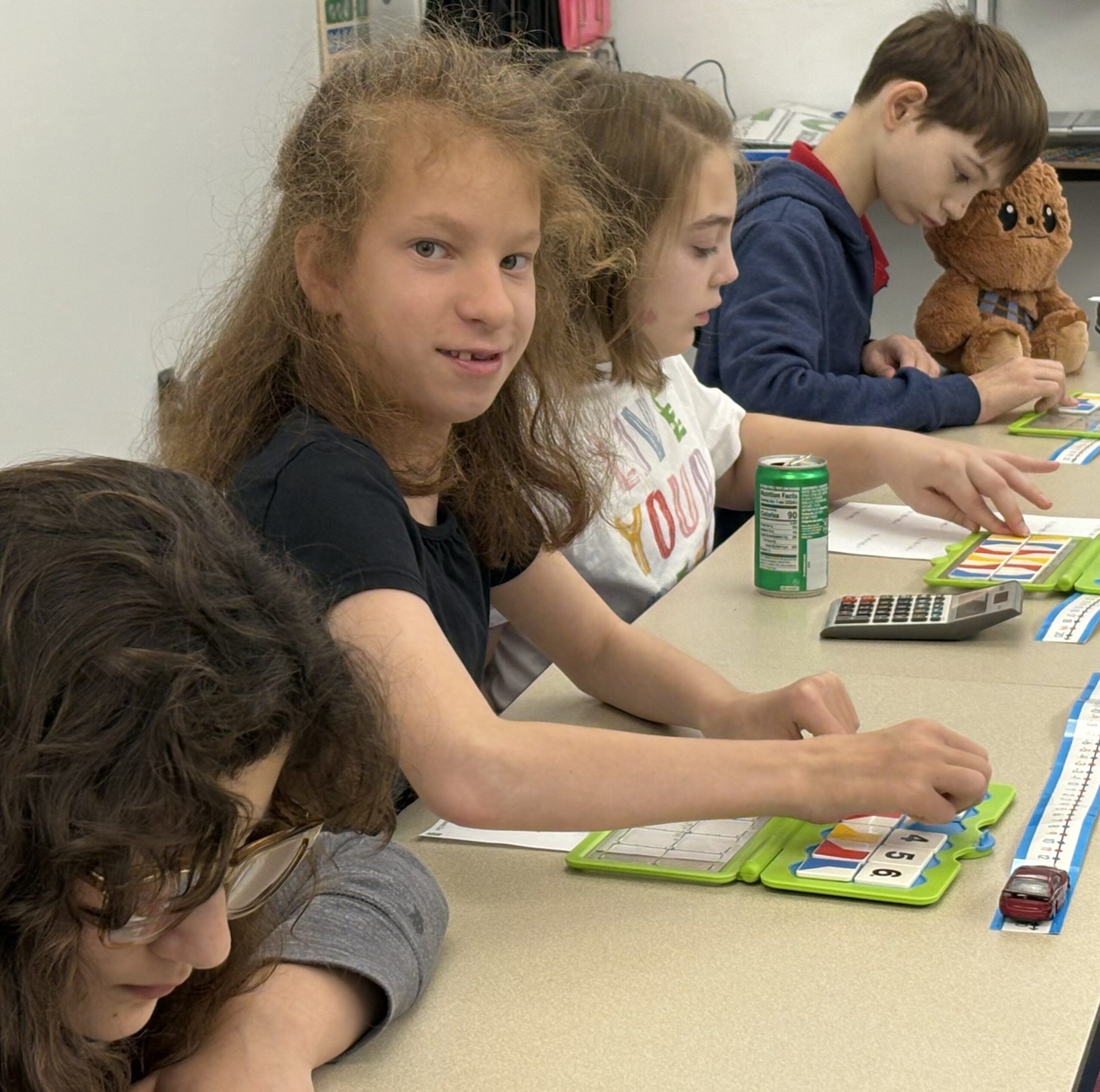
One of Heinig’s favorite teaching methods which she finds “very effective” for middle school learners is the use of manipulatives. These tools integrate the thought process and the creative use of physical objects to solve math problems. This includes hands-on work with connecting objects similar to Lego blocks, tape measures with negative numbers for counting and applying the right answers to math problems to create new designs.
“The students are learning,” she says while demonstrating the use of manipulatives. “I use it every day and the students love it.”
Student-Led Service Project Takes a Bite Out of Hunger
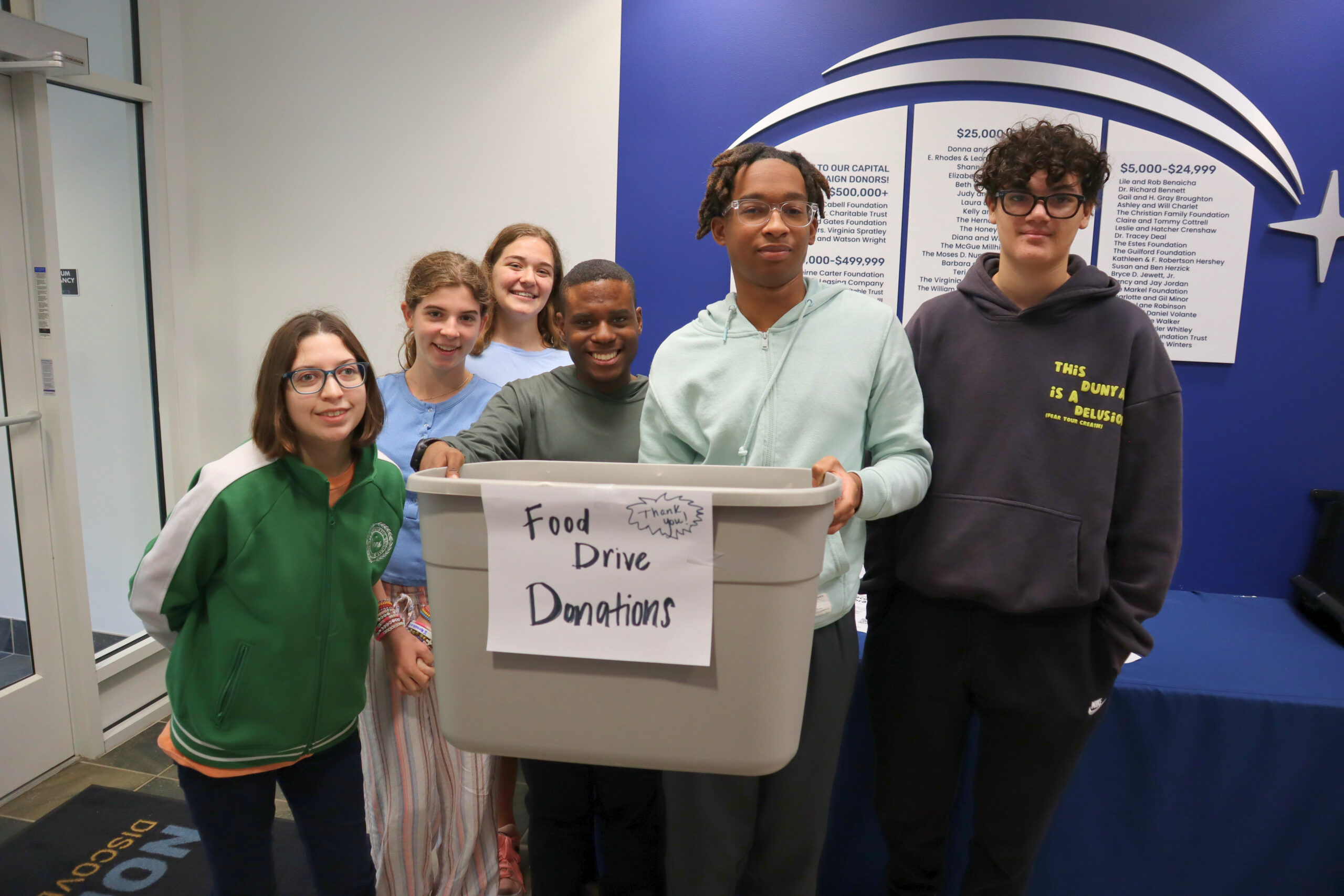
When tasked with coming up with ways to be involved in the community, the group of upper schoolers decided as a class that they wanted to make a positive change in the form of a food drive.
Advisory is part of Northstar’s proprietary program focused on refining social skills such as personal responsibility, effective communication, coping skills, and self-advocacy. Each month has a different theme. Ms. Lynch’s Advisory class is embracing the monthly theme of “community” with a special service project.

Students discussed a number of ideas such as a hygiene campaign, clothing/coat drive, or even a dog toy collection for a local shelter. Ultimately, the class landed on a food drive.
“This kind of drive is more accessible,” says 9th grader Emerson about the winning idea. While not everyone could have means to donate a coat, donating an extra can of food is relatively inexpensive in comparison. Plus, food drives are a common, recognizable charitable project and are simpler to organize and advertise. The initiative aims to provide relief to families facing food insecurity in Richmond.
“We talked about what it means to be food insecure,” says English teacher Ms. Lynch, who is leading the initiative. “We can empathize with less fortunate people in our community and help them in a tangible way.” The USDA defines food insecurity as an economic and social condition of limited or uncertain access to adequate food.
"It feels good to help people who need it in our community," says 10th grade student Barrington.

When the collection period is over, all donations will be given to Feed More, a local food bank. Feed More distributes prepackaged and cooked meals to people facing food insecurity across 34 Central Virginia districts. Nonperishables, such as canned foods, dry goods, condiments, and spices, are welcome donations. The organization asks for any snack-like donations to be nutritious.
“The food has to be healthy,” says 9th grade student Evelyn, “So no candy, please.”
Donations will be collected through October 7th.