

Celebrating Black History Month
In celebration of Black History Month, Northstar filled the calendar with experiences designed to highlight, uplift, and celebrate the rich history, achievements, voices, and contributions of black individuals.
We kicked off the month with an all-student assembly explaining the origins of the month. Although only officially signed into law by Congress in 1986, Black History Month has been observed in some way since the early 20th century. This year marks the centennial celebration since its precursor Negro History Week was designated in 1926.
At Northstar, students stretched their creative muscles by fashioning an interactive “walking museum.” Advisory classes worked together to choose a person to highlight in a poster. Among subjects were black activists, politicians, entrepreneurs, scientists, and more from both history and today. In addition, students and staff delved into the rich culture of black art by exploring the contributions of artists of color. From visual arts to music to the written word, the Northstar community highlighted their favorite or most impactful works.

“It’s important we learn about important people in the past, especially people who ended slavery and people like Martin Luther King,” said middle schooler Amyra about the creative project.
Upper School students expanded their knowledge by taking a visit to the Richmond Black History Museum & Cultural Center of Virginia (BHMVA), where they heard about the achievements and trials of black folks across the commonwealth.
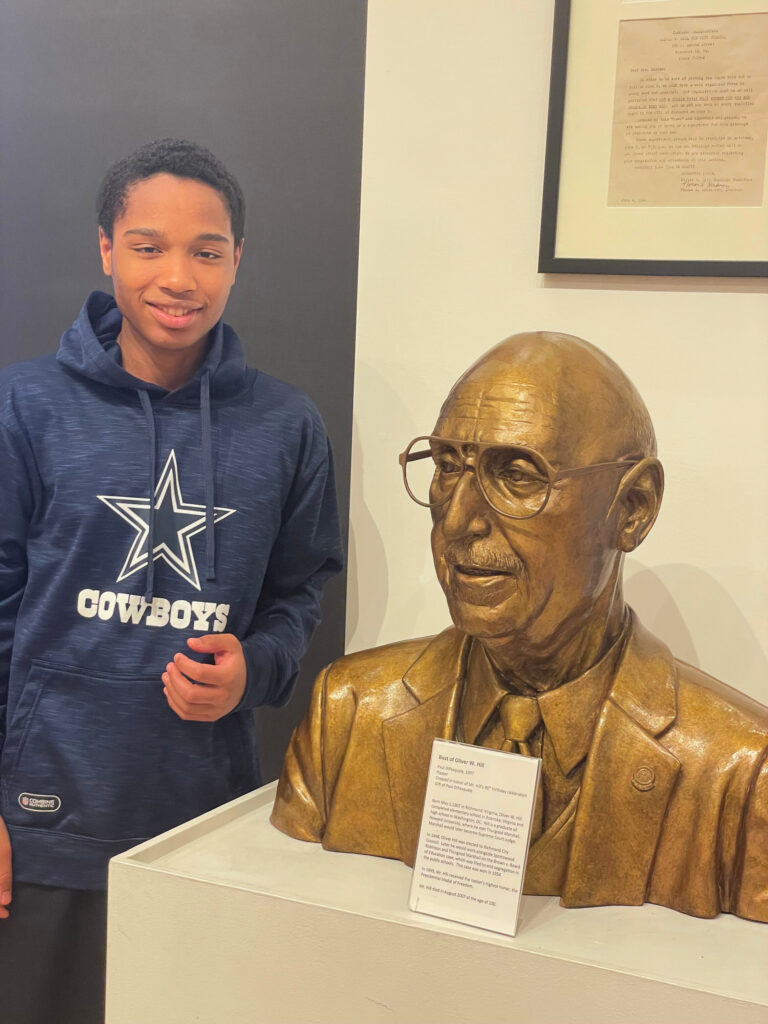
Instructional Assistant Jordan Johnson, who planned the celebrations, said, “Black History Month is an opportunity for learning, reflection, celebration, and connection. It’s important to create space for our students to have meaningful conversations.”
During the last week of February, Johnson hosted a panel discussion of black professionals. Among the speakers were local leaders, business owners, and health care professionals. They took questions about their backgrounds in education, the world of work, and their individual experiences as black professionals.
“There’s gonna be obstacles. That’s what life is,” said physiatrist Dr. Timothy Silver while discussing how to tackle challenges of post-secondary education. “How we negotiate them to get to the next level is up to you.”
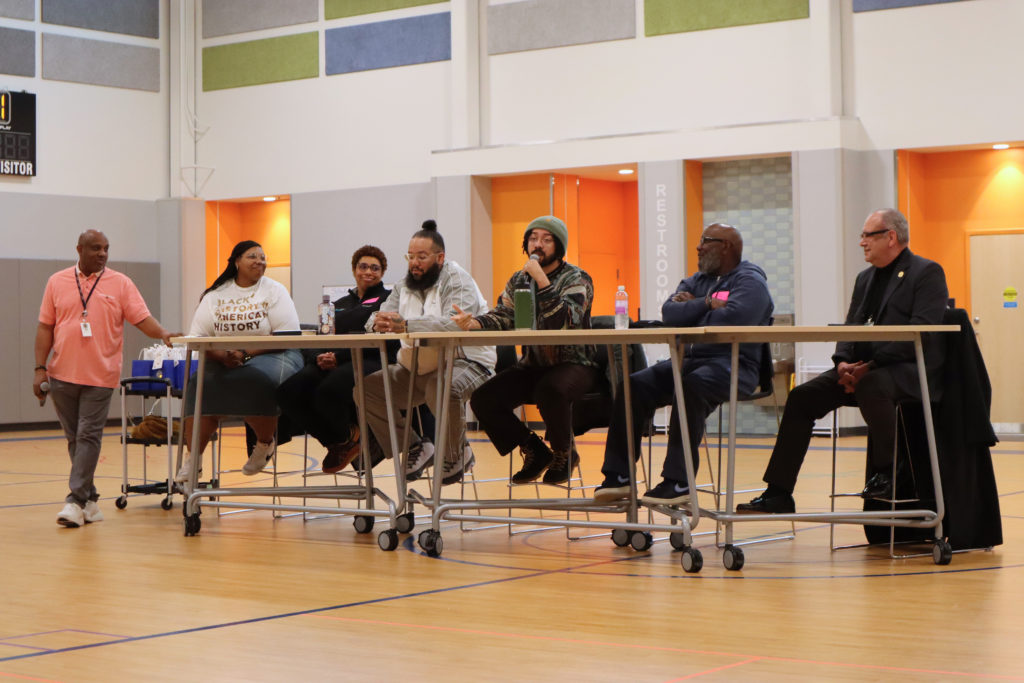
The panelists shared messages of encouragement and positive intentions for the future of Richmond’s black community.
“Uplifting my community and seeing those same people come and support me is one of the things I really, really cherish about us as a people,” said Kayen Wilborn, a local musician.
When asked about what black joy means to her, Veterinarian Brit’nee Haskins simply commented, “Black joy is just the freedom and space to be who you are.”
Why Hands-On Learning Works: Construction Training for Students with Special Needs
Introduction
Hands-on learning isn’t just an instructional option — it’s a powerful way many students with special needs access and retain new skills. For learners who benefit from engaging their bodies as well as their minds, experiential instruction creates meaningful opportunities to connect abstract concepts to real results.
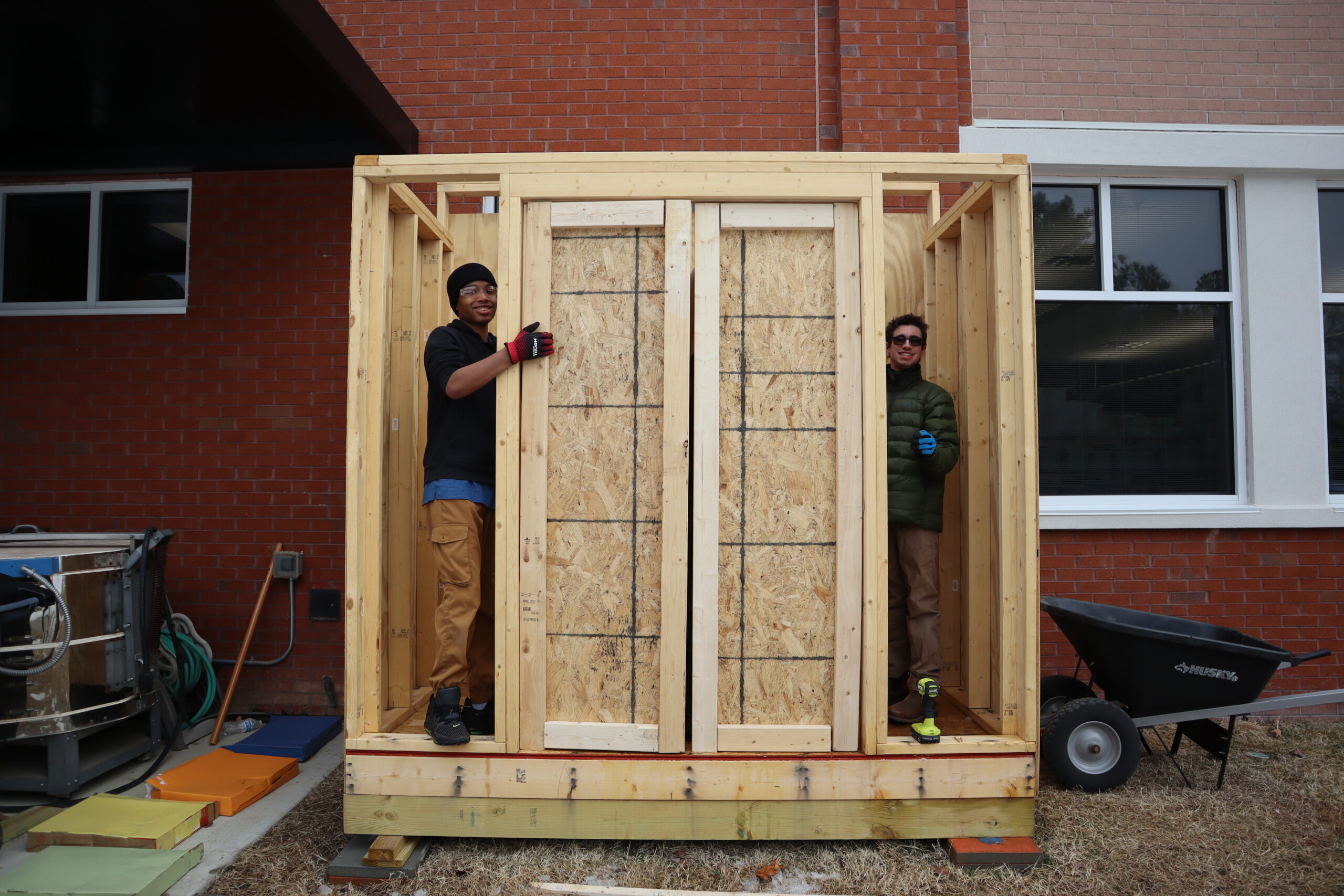
At Northstar Career Center, the Construction & Maintenance program offers exactly this kind of learning environment. In a workshop-style classroom equipped with real tools and personal protective equipment, students build foundational construction and maintenance skills while working toward independence and future employment.
What makes this approach especially effective is how it integrates individualized learning goals — particularly those outlined in students’ Individualized Education Programs (IEPs) — into projects that are purposeful, tangible, and directly linked to workforce readiness.

The Value of Kinesthetic Learning in Special Education
Students with ADHD, autism, intellectual disabilities, and other neurodiverse profiles often thrive when instruction is hands-on, interactive, and movement-based. Kinesthetic learning — learning by doing — helps students encode information through tactile memory and muscle memory, making complex skills more accessible and memorable than traditional lecture-based instruction.
In construction training, this might look like measuring lumber, operating a hand tool, or assembling components — all repeated until the skill becomes familiar. Movement, repetition, and multi-sensory engagement not only aid learning but can also improve focus and reduce frustration. This makes construction training a natural fit for students who struggle with purely auditory or visual learning methods.
Connecting Construction Training to IEP Goals
One of the great strengths of Northstar’s Construction & Maintenance program is how seamlessly it supports IEP goals and broader life-skills development.
For example:
- Following multi-step directions — Students routinely follow sequential instructions to complete projects, mirroring skill progressions outlined in many IEP plans.
- Tool use and safety — Lessons in safe tool handling support fine motor control and practical safety goals often specified in IEPs.
- Team collaboration — Working in pairs or groups reinforces communication, cooperation, and social engagement — all valuable social-emotional learning objectives.
On top of these, construction projects also cultivate life and vocational skills such as measuring, planning, cleaning up work areas, and evaluating finished products. These tasks directly support workplace readiness and independence.
Through exploration of assistive technologies, students also learn how to manage their workflow, gain efficiency, and build autonomy — all critical competencies for future employment.
Engagement Through Purposeful, Real-World Tasks
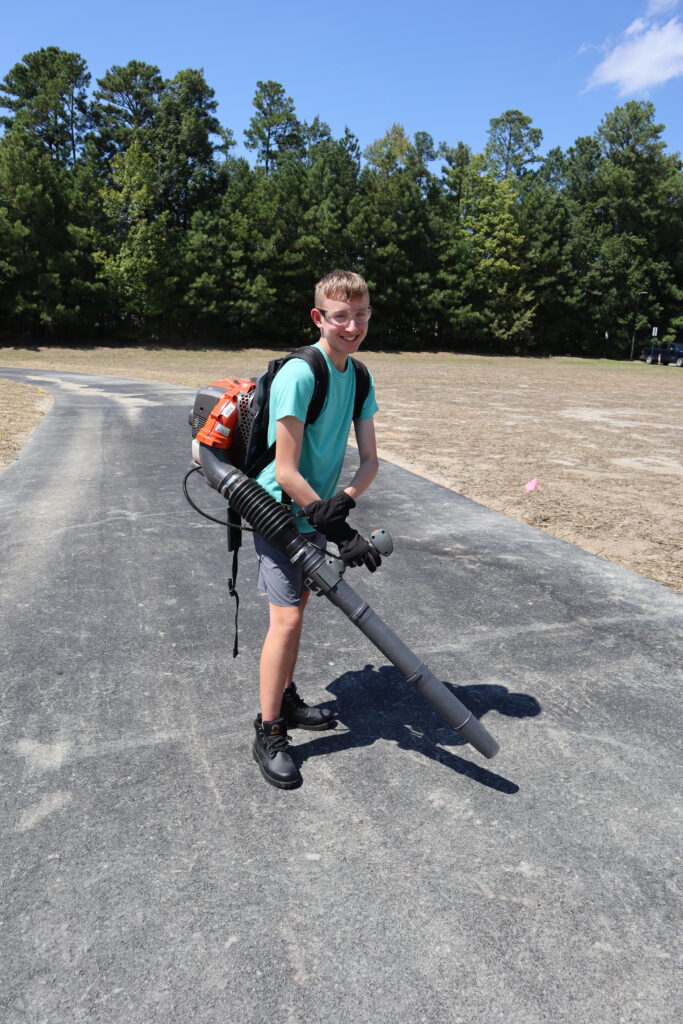
Purpose makes learning stick. Projects in Northstar’s Construction & Maintenance program aren’t hypothetical exercises — they result in tangible outputs that have meaning beyond the classroom.
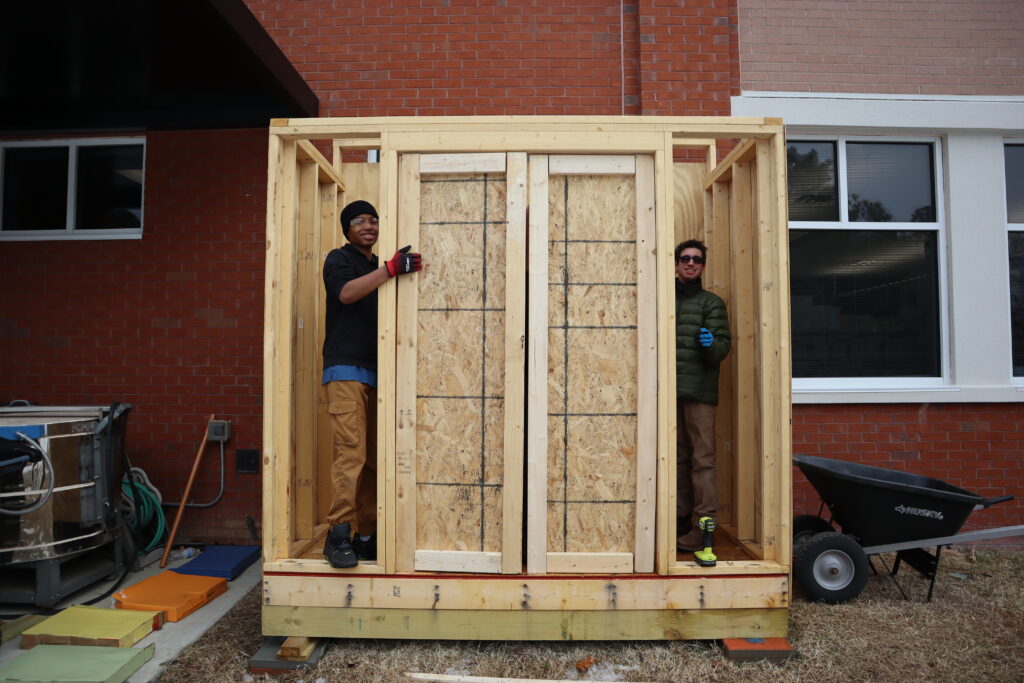
Students might build functional items like shelves, tables, or outdoor enhancements. They may even participate in community projects, such as collaborating with local partners to renovate or improve real work sites, gaining hands-on experience in a real-world context.
When students see the direct impact of their work — an object used by others, a space improved for community use — it boosts engagement, motivation, and pride.
Building More Than Structures — Confidence and Soft Skills
Completing a construction project isn’t just about mastering a new hard skill — it’s an opportunity to build confidence and soft skills that carry far beyond the workshop.
Through the construction process:
- Students experience increases in self-esteem as they see themselves complete tasks they once thought were difficult.
- They practice leadership and teamwork by working with classmates, sharing tools, and solving problems together.
- They learn to adapt and persevere, recognizing that mistakes are not failures but steps toward mastery.
These soft skills — communication, resilience, leadership, and collaboration — are essential for both employment and daily life.
Measuring Progress and Preparing for the Workforce
In the Northstar Career Center, student success is tracked and celebrated within the IEP framework. Instructors document progress toward individualized goals such as independence with tool use, consistency in following directions, or workplace behavior — ensuring that growth is both meaningful and measurable.
Construction training also prepares students for their next steps:
- Students can document specific skills and credentials (e.g., OSHA-10, Career Readiness Certificates, employability certifications) that enhance their resumes and job applications.
- They learn to advocate for accommodations and communicate their strengths to potential employers.
- Many students graduate ready to pursue careers in residential construction, commercial building management, trades apprenticeships, or other hands-on fields.
Northstar also emphasizes connections to community and workforce partners, offering students opportunities to practice their skills on real job sites and build relationships that support future employment.
Conclusion
Hands-on learning, especially within construction training, offers profound benefits for students with special needs — making abstract goals tangible, aligning instruction with individualized IEP outcomes, and preparing learners for meaningful careers.
At its core, Northstar Career Center’s Construction & Maintenance program doesn’t just teach students how to build structures — it helps them build confidence, independence, and pathways to fulfilling work.
Support experiential learning in special education — because every student deserves a future where their strengths are valued and their skills are tangible.