
Career Center Students Take Center Stage in Community Construction Project
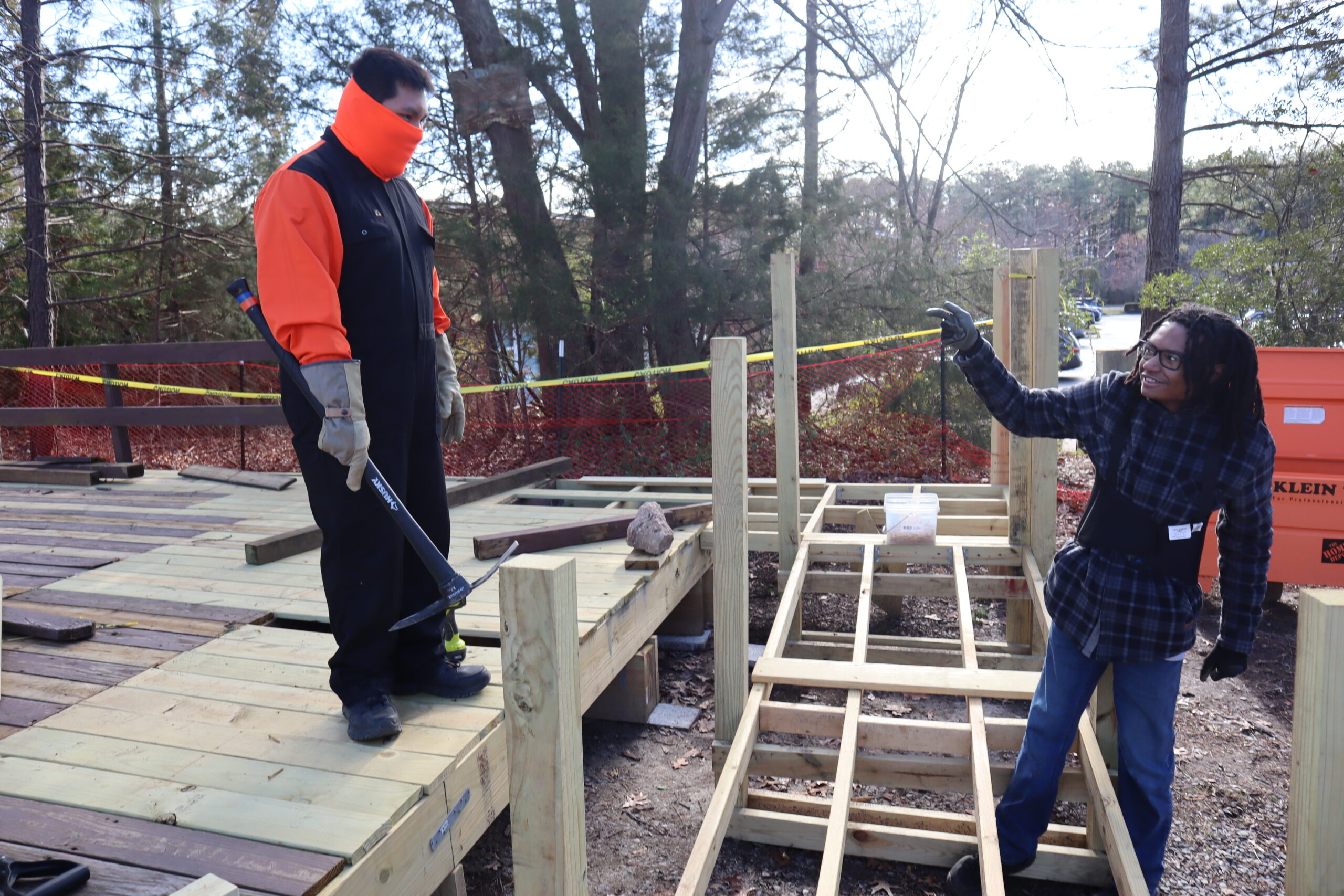
“It was fun,” said Trey, a Career Center student, “I got to practice using the circular saw and I got better at taking measurements. It’s a lot of fun going off campus.”
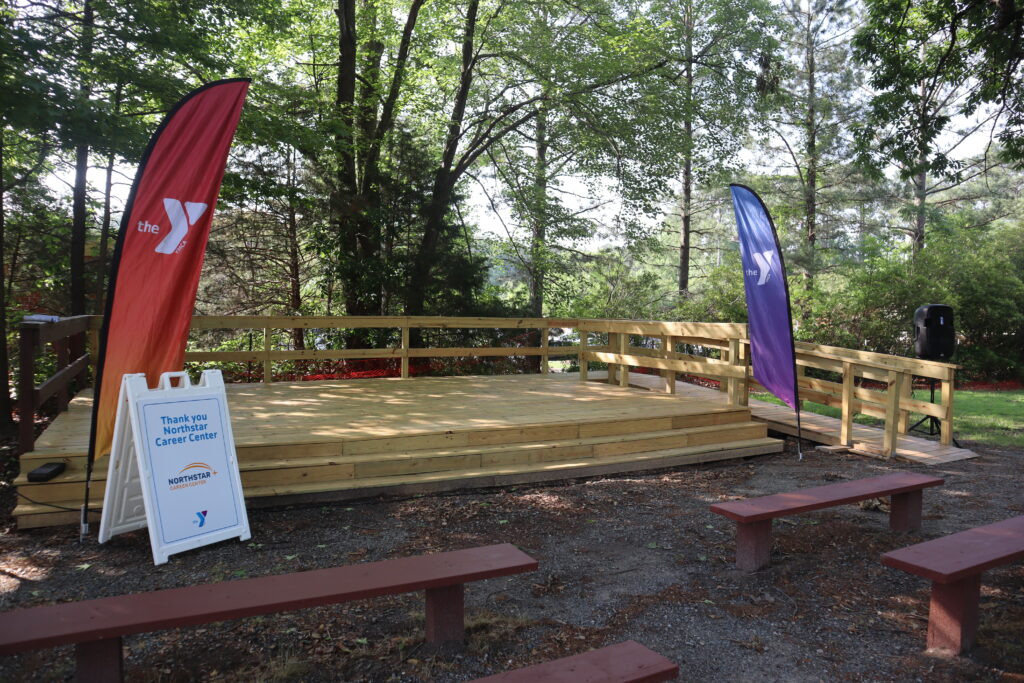
Originally a 20ft x 20ft stage, the new construction added an additional 4 feet of width as well as an accessible 5 foot ramp, ensuring anyone who uses mobility aids will still be able to access the stage. The Shady Grove Family YMCA plans to use the stage as early as this summer for performances and ceremonies by summer camp attendees.
“We are incredibly grateful to the dedicated teen volunteers at Northstar Career Center who gave their time, energy, and heart to build this ramp. Their hard work has made a lasting impact, providing greater accessibility and independence. This partnership with Northstar and Project:HOMES is a powerful reminder of what can be accomplished when a community comes together in service of others,” stated Jody Alexander, President and CEO of the YMCA of Greater Richmond.
Northstar Career Center serves young adults with disabilities to help them gain work readiness skills as they transition out of secondary education and into the workforce. The outdoor stage renovation was made possible through a partnership with project:HOMES, a nonprofit organization that offers home repair assistance to low-income homeowners in the Richmond area.
“project:HOMES is proud to be a partner to this meaningful project. The new stage and ramp will give the students more inclusivity and accessibility," said project:HOMES Director of Volunteer Services, Brad Burnum. "This was an opportunity to build much more than a structure. This project will also build community.”
While the class generally enjoyed the experience, the multi-week experience proved that construction work is not always an easy task.
“It took a long time,” said Bryan, another Construction and Maintenance student. “The hardest part was when there was ice and snow on the ground while we were building the ramp.”
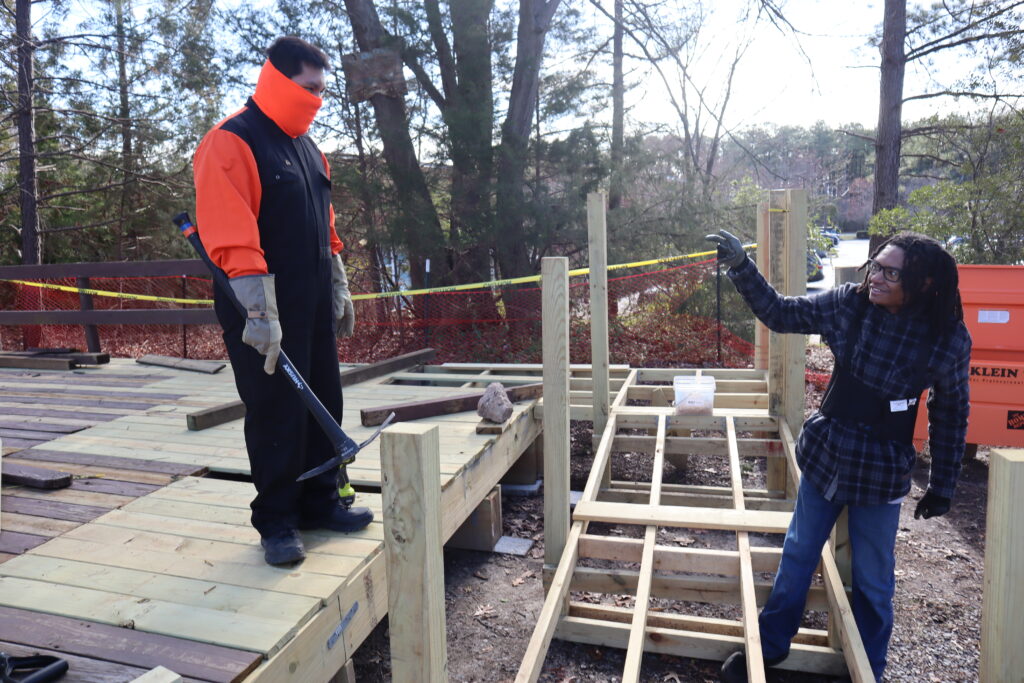
When working on a project like this, Northstar Career Center students first build skills in the classroom, then go out into the community to practice their skills on the worksite. This twofold learning experience allows students to navigate real-world challenges, gain confidence through hands-on practice, and develop the independence and professionalism needed for future employment.
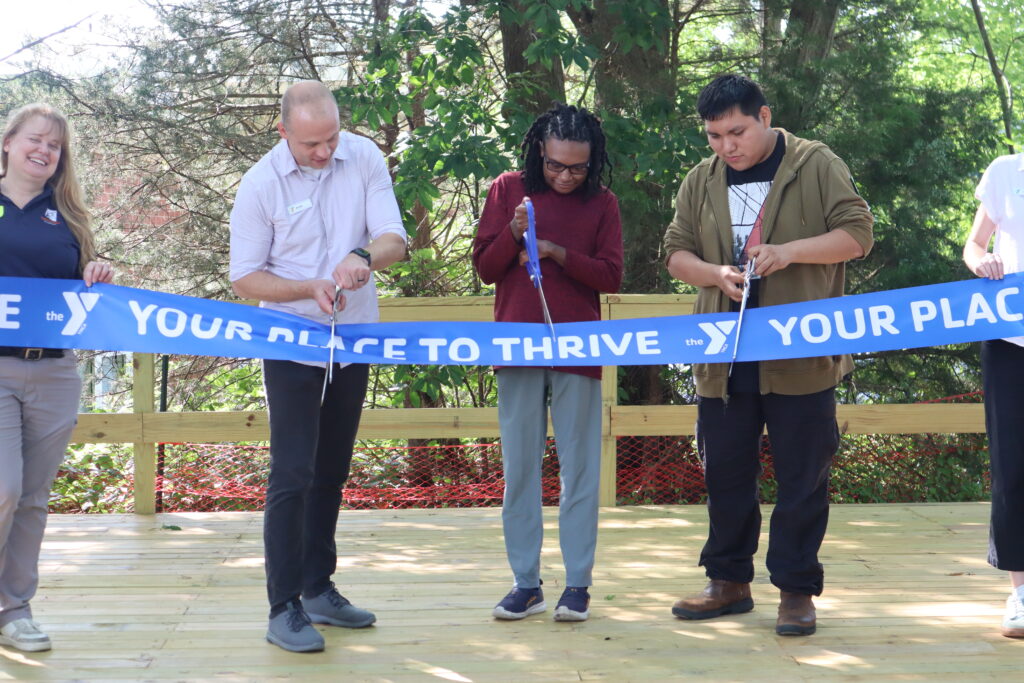
A ribbon cutting ceremony was held Friday, May 16th to dedicate the revamped space with attendees from Northstar Career Center, the Shady Grove YMCA, project:HOMES, and local community members.
About Northstar
Northstar is a 501(c)(3) non-profit school dedicated to serving students with autism, other health impairments, specific learning disabilities, intellectual disabilities, multiple disabilities, emotional disabilities, developmental delays, and speech/language impairments. Located in Glen Allen, Virginia, Northstar is licensed by the Virginia Department of Education and is a fully accredited member of the Virginia Association of Independent Schools. Northstar is committed to promoting educational excellence and career opportunities for students with disabilities.
About the YMCA of Greater Richmond
The YMCA of Greater Richmond is a non-profit, cause-driven organization committed to strengthening communities through enriching learning, preventing drowning, and advancing whole health. Serving over 210,000 people across 17 branches, the YMCA believes that everyone—regardless of age, income, or background—deserves the opportunity to learn, grow, and thrive. Learn more at www.ymcarichmond.org.
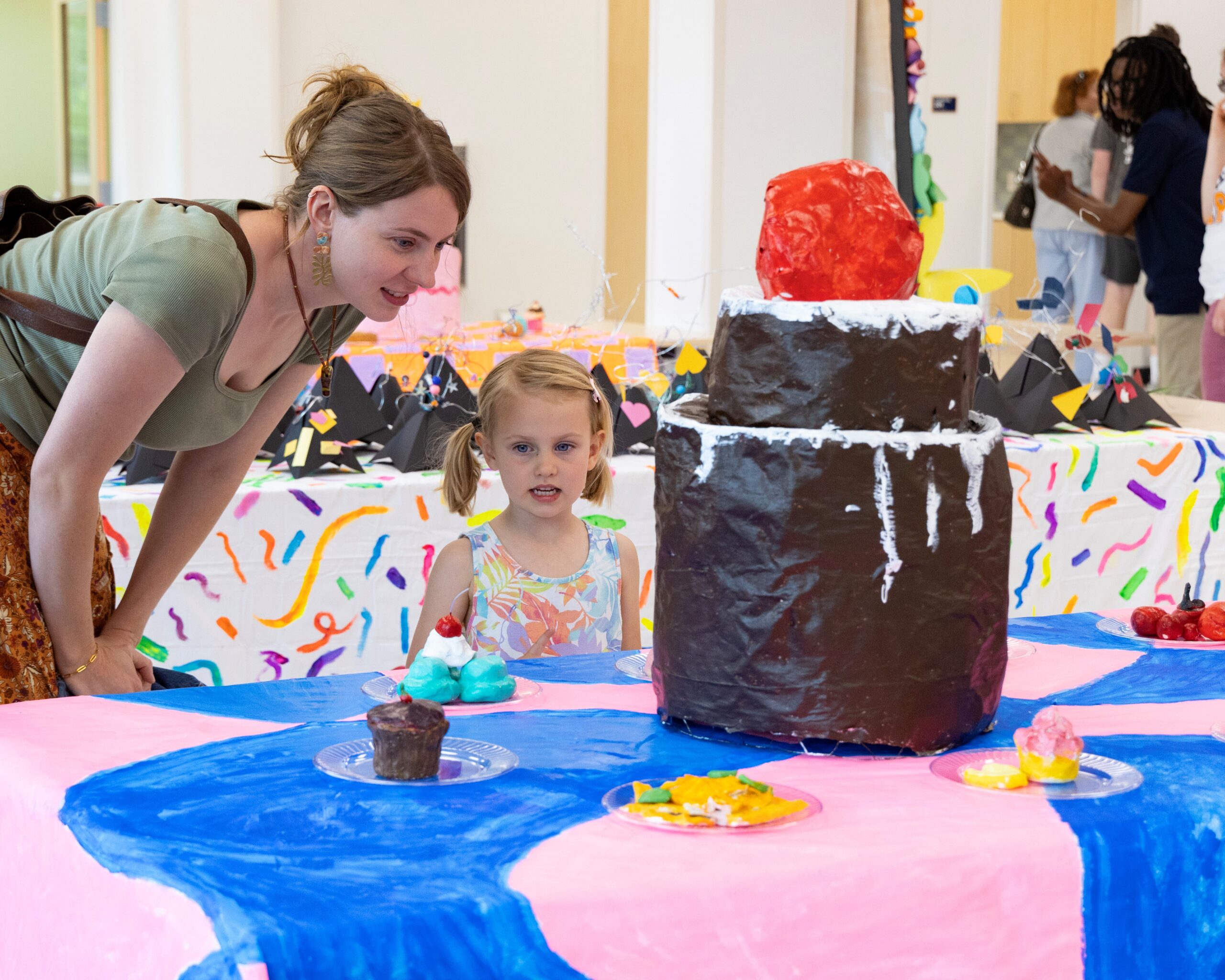
Sculpture Exhibit Takes the Cake in Local News Feature
This month’s Plate and Goblet feature in the Henrico Citizen includes a special creative touch from Northstar students.

As part of a classroom project called Celebrating Success, students explored the playful food sculptures of artist Claes Oldenburg and then created their own party-themed food art. The exhibit was the first art show to display in the Daly Family Community Room and shown for two of this spring's biggest public events: the student talent show and the community ribbon cutting for Northstar's new gymnasium and community center.
Their whimsical creations—ranging from oversized cupcakes to sculpted grapes—reflect the imagination, joy, and confidence our students bring to their learning.
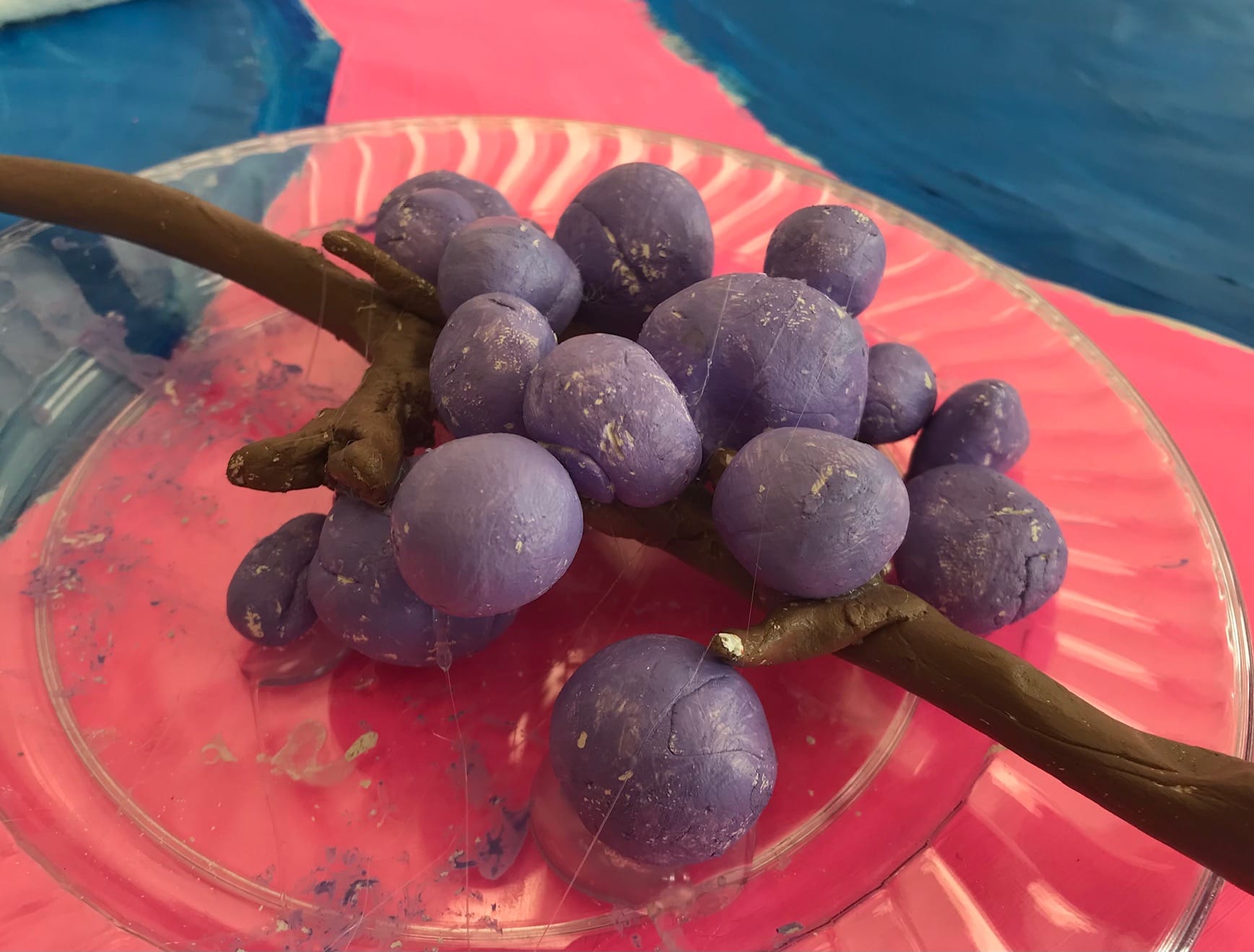
We’re thrilled that Northstar students’ artwork is part of this month's edition, showing how our students' talents and creative voices are being celebrated across the community.
Plate and Goblet is a popular food-focused column that highlights local culinary stories, restaurants, and community food events.
See more featured student artwork and read the full Henrico Citizen: Plate and Goblet article here.


Northstar Announces Grand Opening of State-of-the-Art Gymnasium and Community Center
Enhancing Educational and Athletic Opportunities for Students with Disabilities

Northstar Academy and Career Center is proud to announce the grand opening of its new gymnasium and community center. This milestone marks a significant enhancement in Northstar’s commitment to providing comprehensive educational and extracurricular opportunities for students with disabilities.
The almost 16,000 sq ft facility features a state-of-the-art gymnasium equipped with an integrated audio induction loop system, ensuring inclusivity for individuals with hearing impairments. This system is the first of its kind in a K-12 school gym in the Commonwealth of Virginia. In addition to serving as a venue for physical education classes, the gymnasium will host school assemblies, performances, and graduations, fostering a sense of community and school spirit.

During a ribbon cutting ceremony, students, faculty, and community members dedicated the space with pomp and circumstance. Festivities included a performance by the Northstar Cheer Club, a speech from recent Northstar graduate Will Griffin, as well as remarks from Board Chair Richard Bennett, M.D. and Crystal Trent, Head of School.
"This new facility embodies our dedication to creating an inclusive environment where all students can thrive," said Trent, "It not only provides a space for physical development but also enhances social interactions and community building among our students."
The event concluded with 9th grade student Emerson shooting a ceremonial first basket in a newly-dedicated basketball hoop.

Northstar’s quest to enhance its educational home began in 2022, when the school combined its separate K12 Academy and Career Center campuses and moved to the current Nuckols Road campus. The school now looks forward to the completion of a 200-meter track and activity field. The conclusion of this capital project brings Northstar closer to its vision of an inspiring campus tailored to the diverse needs of its students.
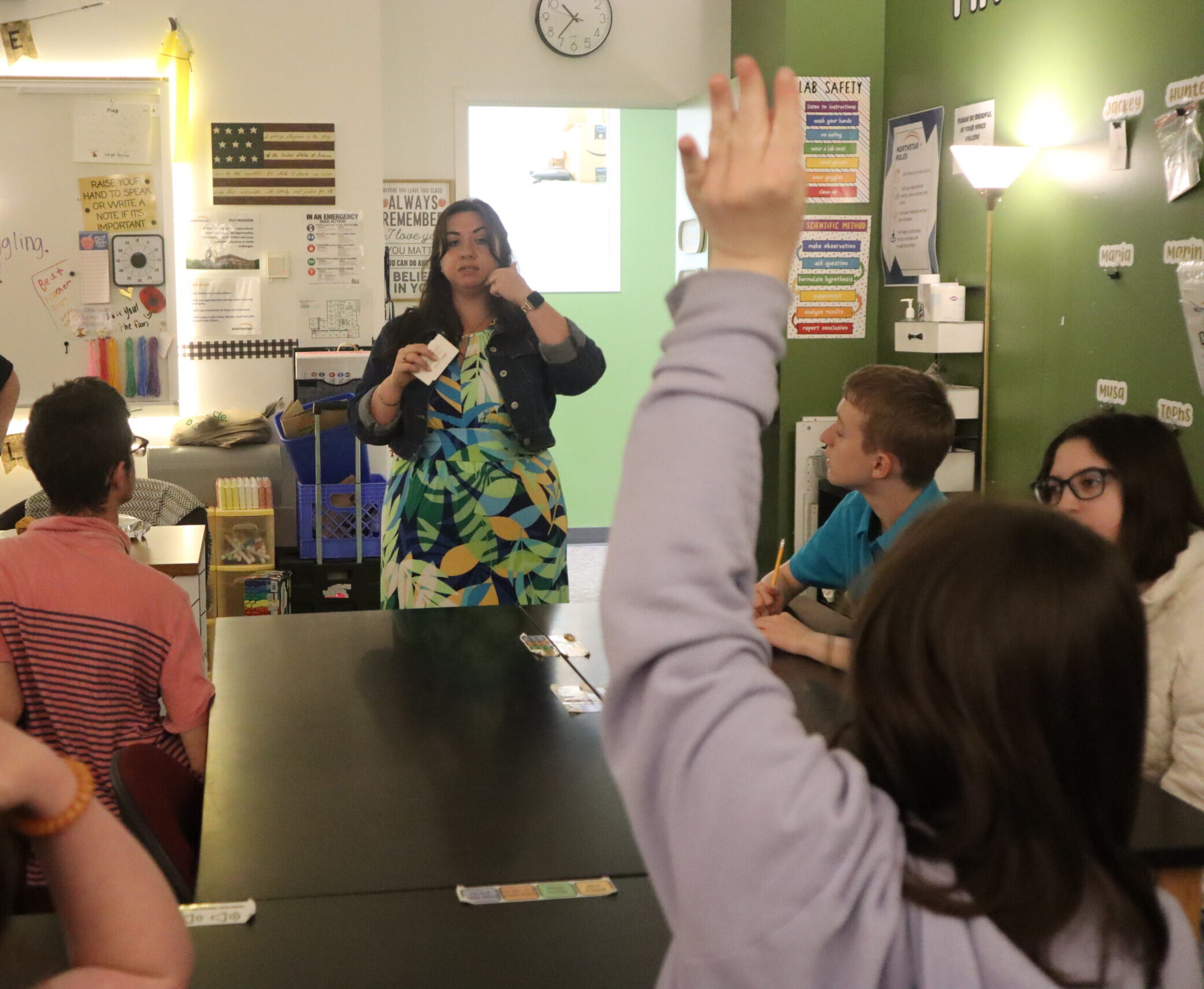
Practicing Self-Advocacy Skills in the Classroom
May I use the restroom? Do we have glue sticks? Can you explain what you mean?
These are everyday questions in any classroom. But for students with a learning disability, even simple questions can feel daunting. At Northstar, students build the confidence and communication skills to advocate and speak up for their needs.
Northstar values educating students about social skills to help them reach their potential. Each month our advisory class focuses on a different theme.
“Teaching self-advocacy is one of the most important things we do for our students here at Northstar,” says Northstar teacher Hailey Shinault. It empowers students to ask follow-up questions, request breaks, and take ownership of their learning. We are setting them up for long-term success. “

Northstar Academy, in collaboration with UVA Child Development and Kluge Rehabilitation Center, has developed a proprietary social skills curriculum. Each day in Advisory Class, along with reinforcement throughout the day, students grow their executive function skills, self-regulation abilities and metacognitive (thought awareness, planning, and goal setting) abilities.
These building blocks not only help students while they’re in school, Shinault explains, but they prepare students and build the confidence to meet life challenges and grow.
Students practice raising their hands in front of the class and asking questions. As part of the lesson, the students learn to express how they feel when they advocate for themselves. Students offer words like empowered, brave, and capable.

Doc, an upper school student, says confidently, “I feel happy. I can do it.”
The teachers use their own experiences as examples of self-advocacy, too. Shinault asks the students to help her clean off the desks and put items in their proper place. “What am I doing when I ask you for help?” she asks the students.
There is a resounding response: “Advocating.”
At Northstar, self-advocacy is more than a skill, it’s a key to unlocking confidence, independence, and future success.
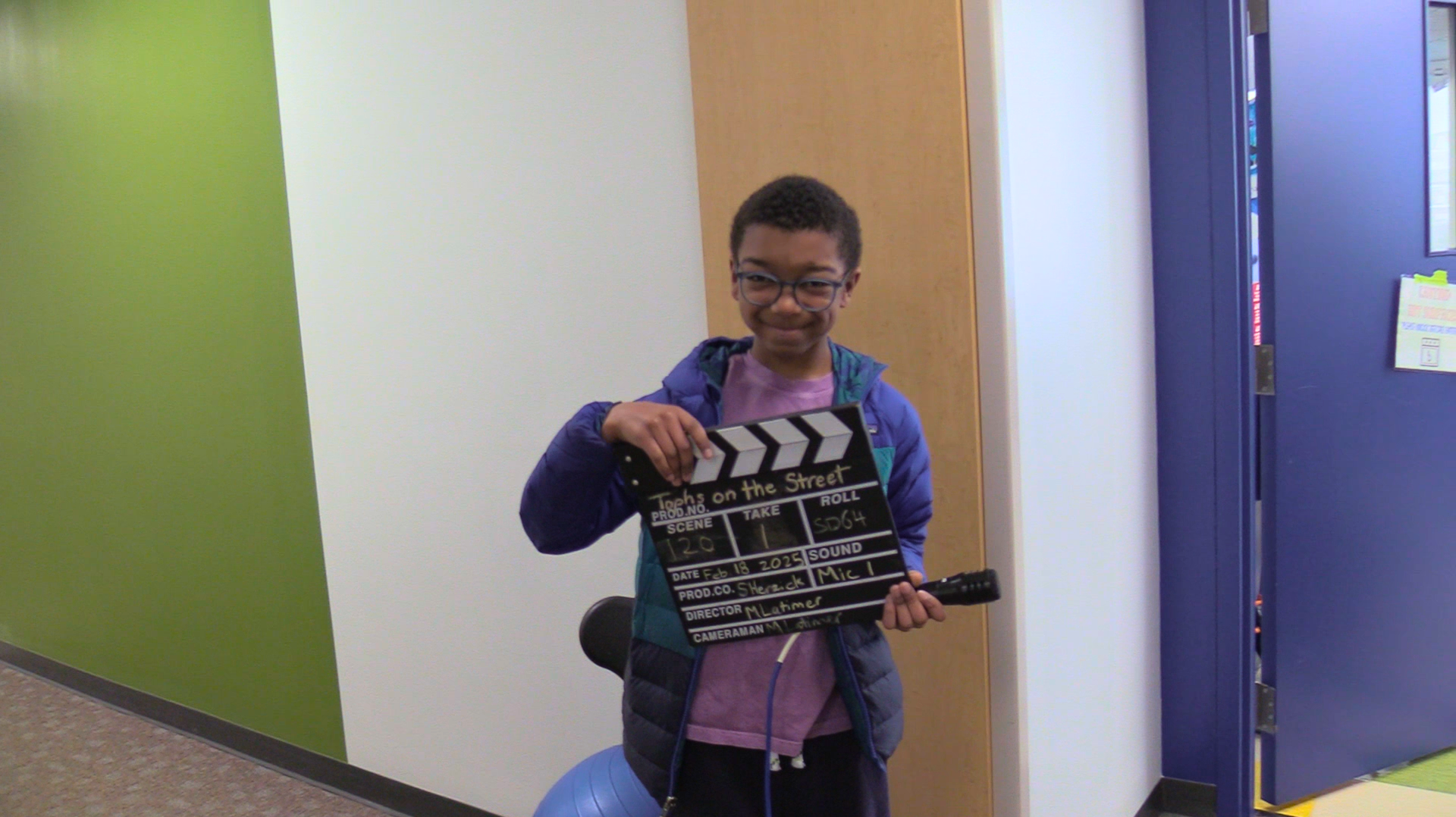
This Is What Success Looks Like: Voices from Northstar
At Northstar Academy, success looks different for every student—and that’s exactly the point.
In the video "This is What Success Looks Like," students and staff share, in their own words, what makes them successful in a community built on support, understanding, and individualized learning.
The inspiring video offers a glimpse into the lives of its students and staff, showcasing the unique elements that contribute to their success. Seventh-grader Tophs takes the lead, interviewing peers and educators about what makes them successful at Northstar. What follows is a heartfelt collection of responses from students and staff, each speaking to the impact of the school’s inclusive and student-centered approach.
Students highlight the small class sizes, patient teaching, and access to advanced learning opportunities. One high schooler shares, “They’re taking their time with me and they’re not rushing it.” Many students speak about how the school environment helps them build confidence, make friends, and stay focused. A middle school student adds, “I can do advanced classes because I want to work harder to learn more. There's a lot of resources for students.”
Educators echo the sentiment about tailoring learning experiences and providing a nurturing atmosphere. “Northstar really works with students and meets their needs academically, emotionally, and socially,” says Mrs. Hughes, Northstar's school counselor. Specialized reading teacher Ms. Moum attributes her success at Northstar to "having a lot of co-workers around me who support me and help me every day, as well as the students!"
Perhaps the most powerful moment comes from Evelyn, an 11th grader who says, “Before, I had no one believing in me — and now it’s made me the person I am today.”
At Northstar, success is not one-size-fits-all. It’s defined by progress, empowerment, and a belief in every learner’s potential.
Click here to watch the video on YouTube.

Navigating Individualized Education Programs (IEPs): A Guide for Parents and Educators
The Individualized Education Program (IEP) is a critical tool in ensuring students with disabilities receive the support they need to thrive in school. However, navigating the IEP process can be overwhelming for both parents and educators. Whether you're new to them or looking to improve collaboration, this IEP guide provides essential tips to make the process smoother and more effective.

1. Know the process
The IEP is a legally binding document developed for students who qualify for special education services under the Individuals with Disabilities Education Act (IDEA). It outlines a student's strengths, challenges, goals, and the services they will receive.
The IEP process includes:
- Referral & Evaluation – A student is assessed to determine eligibility.
- IEP Meeting – Parents, teachers, specialists, and administrators collaborate to develop the plan.
- Implementation – The plan is put into action, and educators monitor progress.
- Annual Review & Updates – The IEP is reviewed yearly and adjusted as needed.
2. Tips for Parents
Know Your Rights – Familiarize yourself with IDEA (Individuals with Disabilities Education Act) and your child’s rights to accommodations and services. Check that your child’s school has the ability to meet their needs. Northstar serves 12 of the 13 IDEA recognized disabilities, including autism, other health impairments (OHI), specific learning disabilities (dyslexia, dysgraphia, dyscalculia), intellectual disabilities, multiple disabilities, emotional disabilities, developmental delays and speech/language impairments.
Be an advocate – Speak up about your child’s needs and ensure their strengths are highlighted in the IEP. Mention what growth or challenges you have observed at home.
Be prepared – Prepare for IEP meetings by bringing in notes, concerns, and questions. It helps to review past progress and identify areas for improvement. Keep organized records and maintain copies of evaluations, reports, and correspondence related to your child’s education.
Collaborate with Teachers – Build a strong partnership with your child’s teachers and specialists. Regular communication ensures consistency and support. Reinforce lessons and strategies learned in the classroom at home.
3. Tips for Educators
Focus on their Strengths, Not Just Challenges – Every child has unique abilities, so be sure to highlight them. Use positive reinforcement to bolster a student’s self esteem and keep them on track for improvement. When developing goals, avoid vague objectives or wishy-washy language. Goals should be specific, achievable, and trackable over the long term.
Encourage Family Involvement – Parents are valuable team members; keep them informed and involved. Ensure communication is free-flowing. Deliver critique and challenges using direct, yet compassionate language.
Be Flexible and Creative – Adapt teaching methods to meet the student’s learning style. Small adjustments can make a big difference. Northstar knows that every student learns differently and provides an individualized, customized education each one, meeting them on their level.
Monitor and Document Progress – Consistent tracking helps ensure students are making gains and allows for timely adjustments. Adjust goals as needed to suit the student’s changing needs as reported by themselves or shown by their academic performance.
4. Include Your Young Adult Student in the IEP Process
While there's no minimum age for a student to attend their own IEP meeting, as students with disabilities transition into young adulthood, their role in the IEP process becomes even more crucial. Individual families may decide when to include their child in the meetings. Early involvement is encouraged as it allows the student to be an active participant.
Empower Self-Advocacy and Goal-Setting – Encourage your student to express their strengths, challenges, and goals. Help them practice speaking up about what support they need. Consistently monitor and adjust how much decision-making support the student needs. Teach them about their rights and options, but also respect their growing independence in making choices about their future. Work with your student to develop realistic and meaningful goals that align with their aspirations. Ask them what they hope to achieve in the next few weeks, the next year, and the next few years.
Focus on Transition Planning – The IEP should address post-school goals, such as employment, independent living, or further education. Ensure transition services and skills-building opportunities are included. For more information and resources, Northstar Career Center provides reading materials and free recorded webinars about navigating the transition to adulthood.
Create a Support Network – Help them connect with mentors, career services, or disability support offices if they plan to attend college or enter the workforce. Ideally, review these options before your student comes of age and create a list of helpful resources that become accessible when they become an adult.
5. Create a Positive IEP Experience
Manage Stress – IEP meetings can sometimes feel stressful. Whether you are a parent or educator, remember that you share the same goal of helping your student succeed. A positive session sets the stage for the child’s success.
Bring Everyone to the Table – Make sure everyone who is part of the IEP process gets an invitation to participate in the meeting. Depending on the student's needs, this could include more poeple
Teamwork Makes the Dream Work – A team-focused approach keeps the student’s needs at the forefront of the conversation and fosters success. By working together, maintaining open communication, and staying proactive, IEPs can truly be a roadmap to student growth.