
A Guide to Social Emotional Learning (SEL)
More Than Just “Soft Skills”
We’ve all been told that school is about the “3 Rs”—Reading, Writing, and Arithmetic. But let’s be real: you can be a math genius and still struggle if you can’t handle a disagreement or manage a deadline. That’s where the “4th R” comes in: Relationships.
Social Emotional Learning (SEL) is basically the “internal hardware” of a successful human. It’s how we learn to handle our big feelings, set goals without burning out, and walk a mile in someone else’s shoes. At Northstar, we don’t just treat these as abstract ideas; we turn them into a practical toolkit for students who learn differently.
The Classroom Without Walls
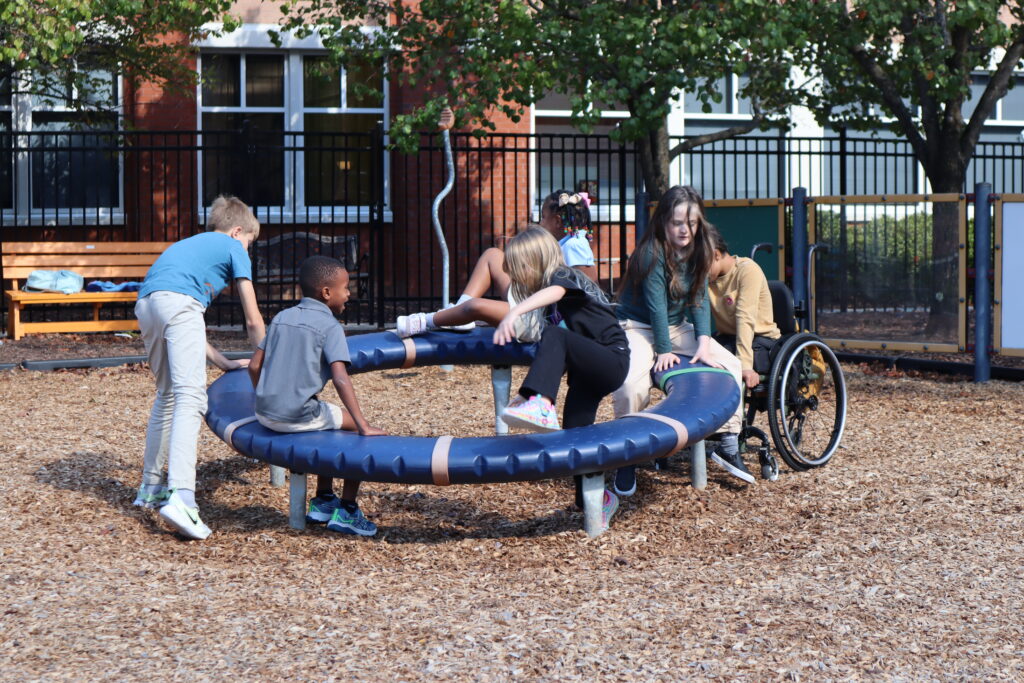
SEL isn’t a subject you study for forty minutes and then “finish.” It’s happening everywhere. I’s a living skill set that gets practiced in the messy, real-world moments—like navigating a crowded hallway, resolving a spat on the playground, or just figuring out where to sit at the lunch table.
These skills are usually “caught, not just taught.” You can’t just lecture someone on how to be calm; they have to see it in action. It’s all about the power of modeling—how teachers and students actually treat each other when things get stressful or when they flat-out disagree. Those high-pressure interactions are where the real learning happens. Students learn more from how a teacher handles a stressful moment than from a poster on the wall.
Ultimately, we’re bridging the gap to reality. The end goal here isn’t just to have a “well-behaved” student who follows the rules in a classroom. The goal is to build a person who can walk into a high-stakes workplace or a complex community and have the tools to navigate it all independently.
High-Tech Regulation
Think of SEL as having a modern toolkit for your brain. It’s not just about “deep breaths” anymore; we’re talking about assistive self-care. Sometimes, the gap between feeling an emotion and actually managing it is too wide to jump alone. That’s where technology steps in—whether it’s a “calm-down” app, a sensory tool, or a digital mood-tracker, these aren’t just gadgets; they’re the bridge that helps a student get back to center.
It really comes down to personalized workflows. Think about how a CEO uses a high-end planner or a project management app to stay on top of their day. Students can do the same thing with SEL strategies to manage their mental energy. It’s about learning how to “budget” your focus so you don’t hit a wall by lunchtime.
When we frame these tools as professional assets rather than “crutches,” it allows students to practice independence through tech. It levels the playing field, giving students the same edge a professional has to stay focused and composed, no matter what kind of environment they’re stepping into.
The “Big Five” (The SEL Pillars)
If we’re looking at the “Gold Standard” of how this works, it usually boils down to five things:
- Self-Awareness: Identifying your own strengths and emotions.
- Self-Management: Controlling impulses and staying organized.
- Social Awareness: Understanding social cues and practicing empathy.
- Relationship Skills: Working in teams and handling conflict.
- Responsible Decision-Making: Thinking through the consequences of your actions.

A Three-Dimensional Skill Set
It’s a common misconception that Social Emotional Learning is just about “feelings,” but it’s actually a three-dimensional skill set designed for total student development. On the cognitive side, it’s the engine behind problem-solving and executive functioning—the “brain power” needed to think critically. Then you have the social dimension, which covers how we communicate, collaborate, and actually contribute to our communities. Finally, the emotional piece ties it all together by building the resilience and stress management skills that lead to genuine self-confidence. Once students start practicing these skill sets, they being to build confidence, one choice at a time.
The Transformation: From Overwhelmed to Empowered
At Northstar, we don’t just teach students how to pass a grade—we teach them how to handle their future. At the end of the day, SEL is about moving a student from feeling like the world is “happening to them” to realizing they are in the driver’s seat. It’s about building the resilience to say, “I can handle this.” Want to see what this looks like in practice? We’d love to show you around! Swing by a Northstar Open House or schedule a tour to see SEL in action.