
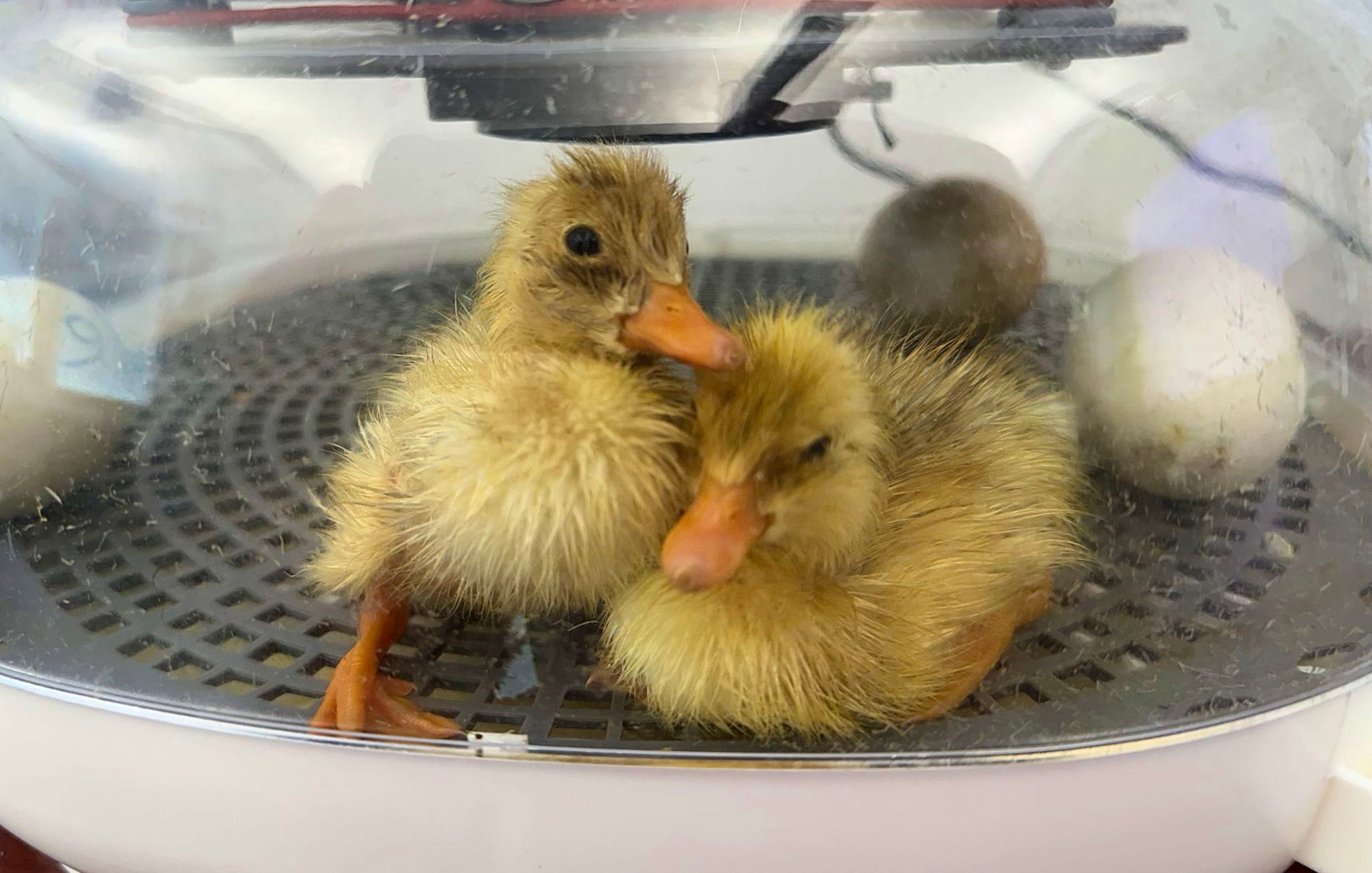
Duck, Duck, Go!
What’s yellow, fuzzy, and oh, soooo cute? Ducklings, of course!
The incubation and hatching of these cute little things is a rite of passage at Northstar Career Center where embryology lessons are hands-on.
Each year, Henrico County 4-H provides the Career Center with a dozen fertilized eggs. Students of the Veterinary Assisting program care for the eggs until they hatch into ducklings. The project starts with the students setting up an incubator to track embryo growth over a two-week period during the Spring. Using a candling technique in which they shine strong light under the eggs, they watch the shadow of embryo growth underneath. When the time is right, students witness the eggs hatch and follow their progress as they “fluff up” with feathers.

"Specifically with the Embryology project, I love to do ducks! 4H gives us all the supplies needed and work with local farmers to get eggs," says Tricia Doria, who heads up the school’s program. "My students get to name their duck if hatched. They usually almost double in size in 10 days."
Once the ducklings’ coats change from fuzz to fluff they’re ready to swim. Veterinary assisting students take the lead in teaching their fellow K-12 students and sharing their experience with the embryology project. Seated around a baby swimming pool, they take turns fielding questions about the care and feeding of juvenile water fowl.

The Veterinary Assisting program is not for the faint of heart, nor is it for every student. Not every duckling hatches from an egg and not all of those that do will survive. Some years, only a quarter of the embryos may make it. The program requires students to build tolerance for varying environmental conditions, and a willingness to deal with the dirtier side of nature such as odor and excrement.
While working with animals can be a physically and emotionally demanding job, the field is projected to grow at a rate of 19 percent by 2033, according to the Bureau of Labor Statistics. When Northstar graduates exit the program, they have real world work experience and are prepared to work in clinics, animal hospitals, and research laboratories.
When the ducklings are just ten days old, they are returned to Henrico 4-H who distributes the ducks back to local farmers.
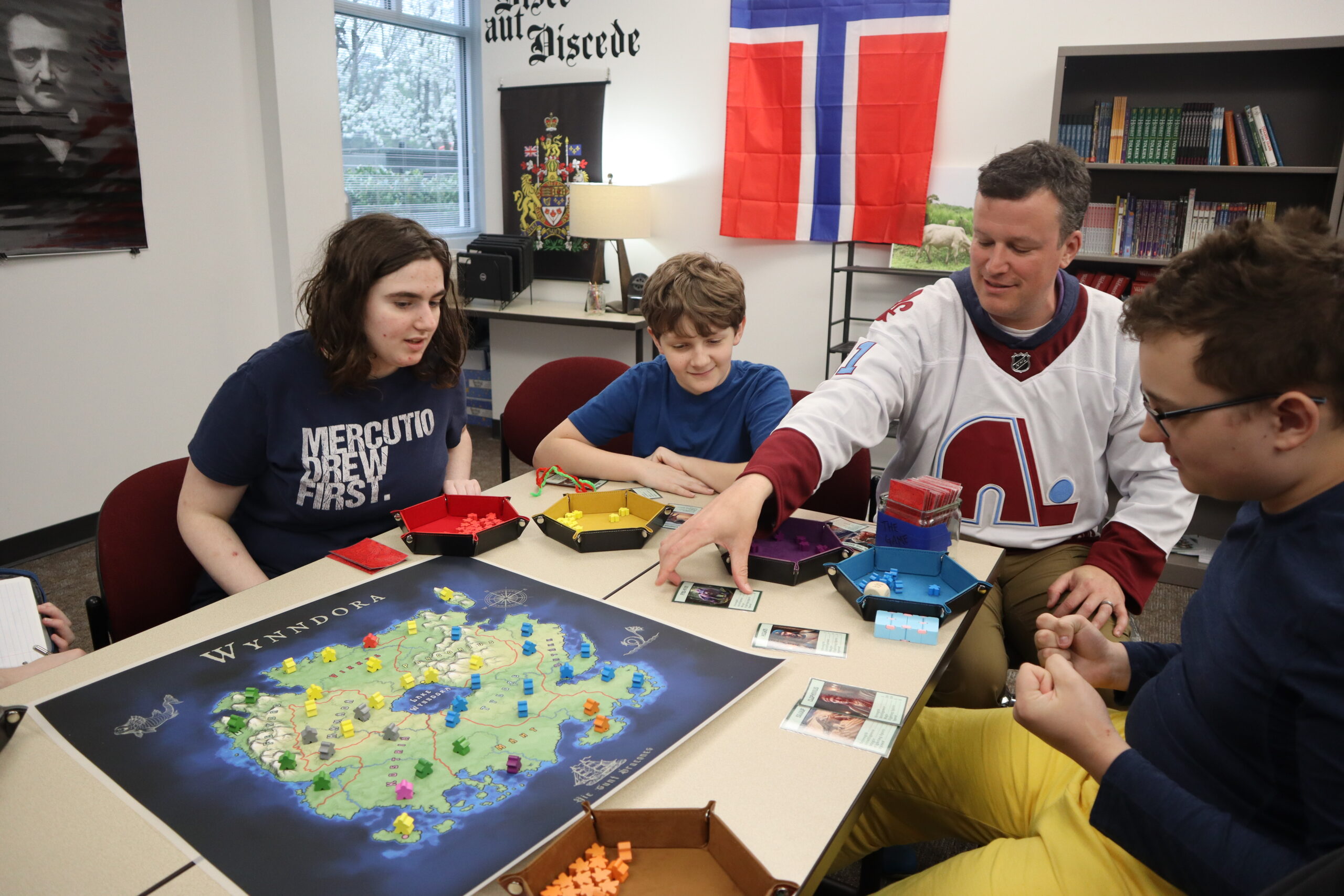
Five Tips for Creating a Positive Learning Environment for Students with Disabilities
Five Tips for Creating a Positive Learning Environment for Students with Disabilities
Creating a positive and inclusive learning environment is essential for all students, especially those with disabilities. When students feel safe and understood, they’re more likely to do well academically, socially, and emotionally. At Northstar, we aim to foster a supportive space where students with disabilities can thrive.
Here are five practical tips for teachers to help create a space comfortable for students who learn differently.

1. Foster a Culture of Respect and Inclusion
Ensure every adult who comes in contact with the student models inclusive language and respectful behavior. At school, faculty should remain professional at all times and have a calm demeanor. When conflicts do arise between students, use them as teachable moments to promote peer understanding. Age-appropriate discussions about diversity and empathy can become an opportunity to celebrate differences and encourage students to learn from one another.
2. Create a Predictable, Structured Learning Environment
Students with disabilities often rely on clear routines to get through the day. Incorporate tools in your everyday life to help students anticipate transitions. The key is being flexible without compromising an existing structure. For example, using a visual schedule can help a student understand the order of a day’s activities, or a timer on a wall can show students how long they have to finish a task before it’s time to clean up their space. Anticipate how changes to the routine may affect mood or behavior and prepare accordingly.
3. Design a Flexible Physical Space
Educators should ensure the learning environment is able to accommodate mobility needs and minimize sensory overload. It’s important to offer as much independence as possible to students as they navigate the school building. The ability to physically change locations independently fosters confidence. Consider creating a calm corner or quiet spaces for students who need sensory breaks. Provide low lighting sources or dimmable lamps as an alternative to bright overhead lights.
4. Build Strong Relationships with Students
Take time to learn about each student’s strengths, interests, and challenges. Use positive reinforcement to encourage collaborative behavior. Evaluate how the student learns best and adapt lesson content to different formats (visual, auditory, hands-on, etc). Allow students to demonstrate knowledge in various ways and participate at their own level. For instance, if a student struggles with oral presentations, consider adapting their assignment to include a written portion or allow them extra time to practice. Patience and empathy are key to making a student feel valued at school.
5. Be Open to Growth
Every person in a student’s life has an impact. A student thrives when teachers can collaborate with parents, caregivers, aides, doctors, coaches, or other influential adults. When these people team up, they are able to share what strategies work best for the student and contribute to their social-emotional growth. Don’t forget to include the student’s opinion. Ask the student, what makes you feel successful at school? Be open to feedback while you reflect on what’s working — and adjust what’s not.
A positive learning environment doesn’t happen by accident — it’s the result of intentional, compassionate practices that put students first. By focusing on respect, structure, flexibility, and collaboration, we can help students with disabilities feel empowered and capable, both in and beyond the classroom.