Starting the next phase of life.
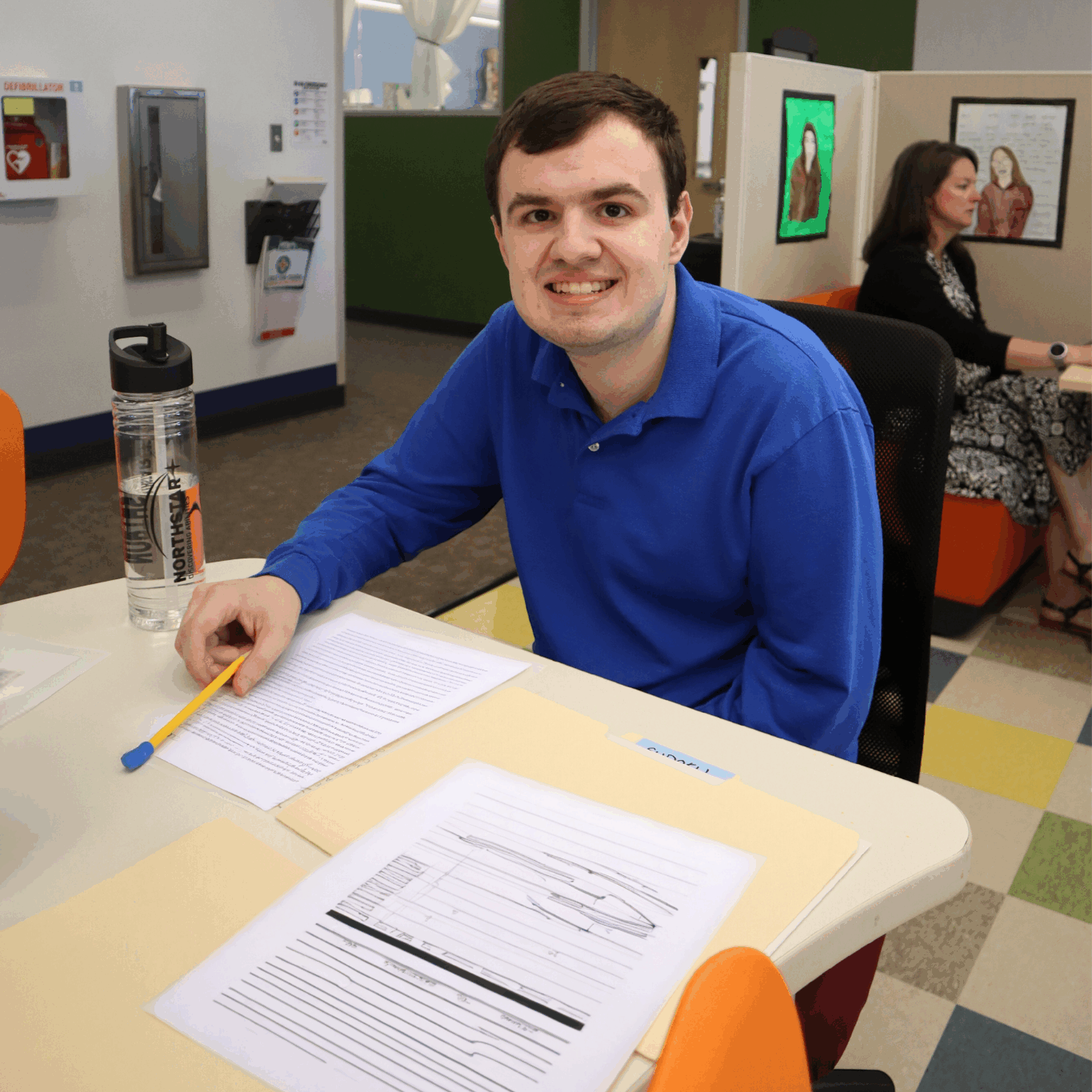
The Transition to Adulthood is when a student transitions, or moves, from school services to adult services. This is an exciting change, but it can also feel overwhelming to have so many unanswered questions.
Northstar Career Center’s goal is to provide factual information and community resources that will help individuals and families navigate this change.
One way Northstar Career Center does this is by hosting several family education nights throughout the school year. Below you will find a list of all of the family education nights for the 25-26 school year, along with resources, links to register, and webinar video recordings (after the event has taken place).
Supported Employment
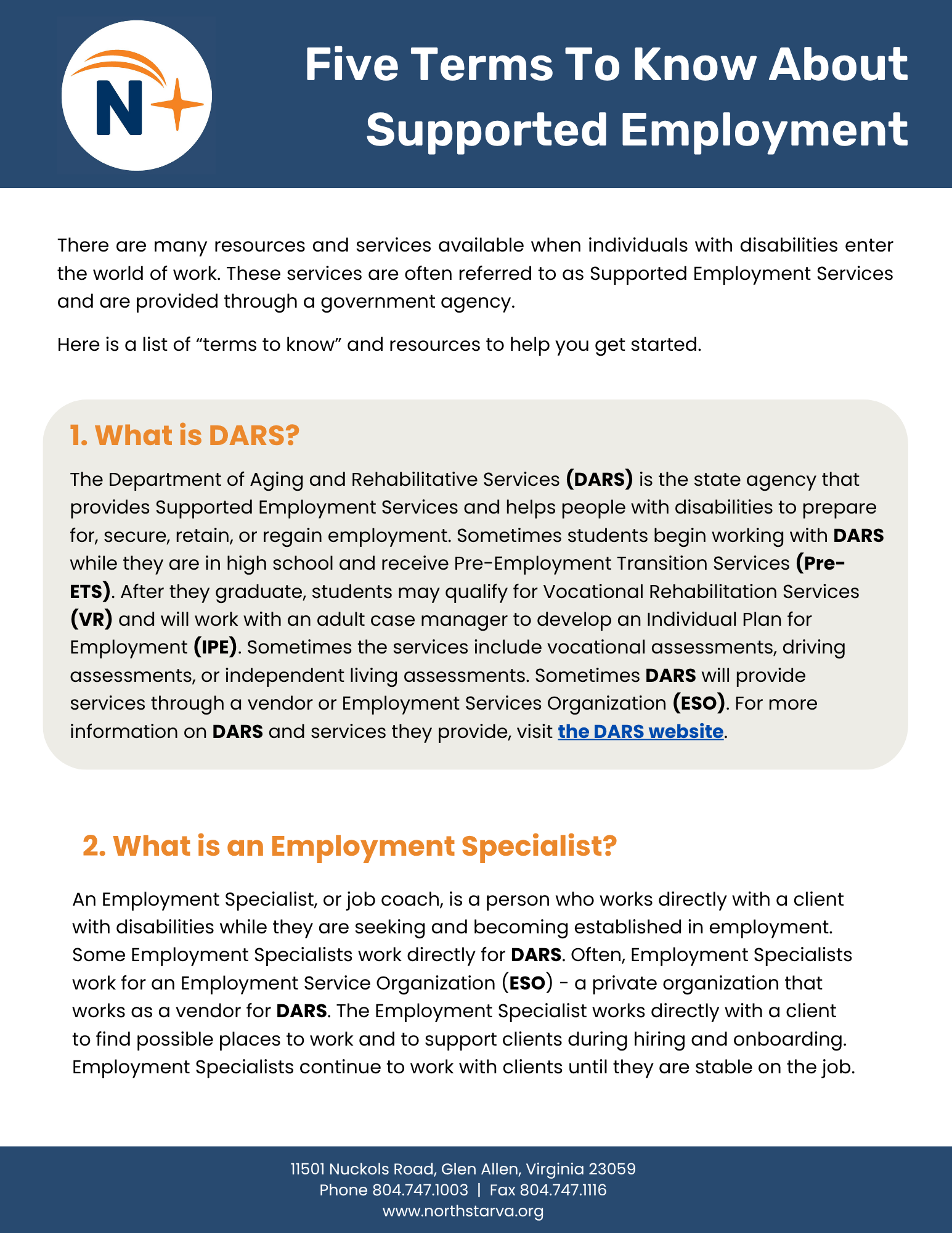
Supported Employment is one way for individuals with disabilities to get started and succeed in the workplace. It is when a person receives supported employment services or vocational rehabilitation (job training) from a government agency. Those services depend on a person’s needs and may include a job coach, custom job placement, skills training, and employer training.
The first step is to contact the Department of Aging and Rehabilitative Services (DARS) and apply for services.
Learn more about Supported Employment and DARS through the fact sheet below.
Resource
Family Ed Night #1
Click below to access the recording and additional resources from “Supported Employment: Rights & Resources” webinar.
Click the links below to access the slide decks.
Supported Decision-Making Agreements
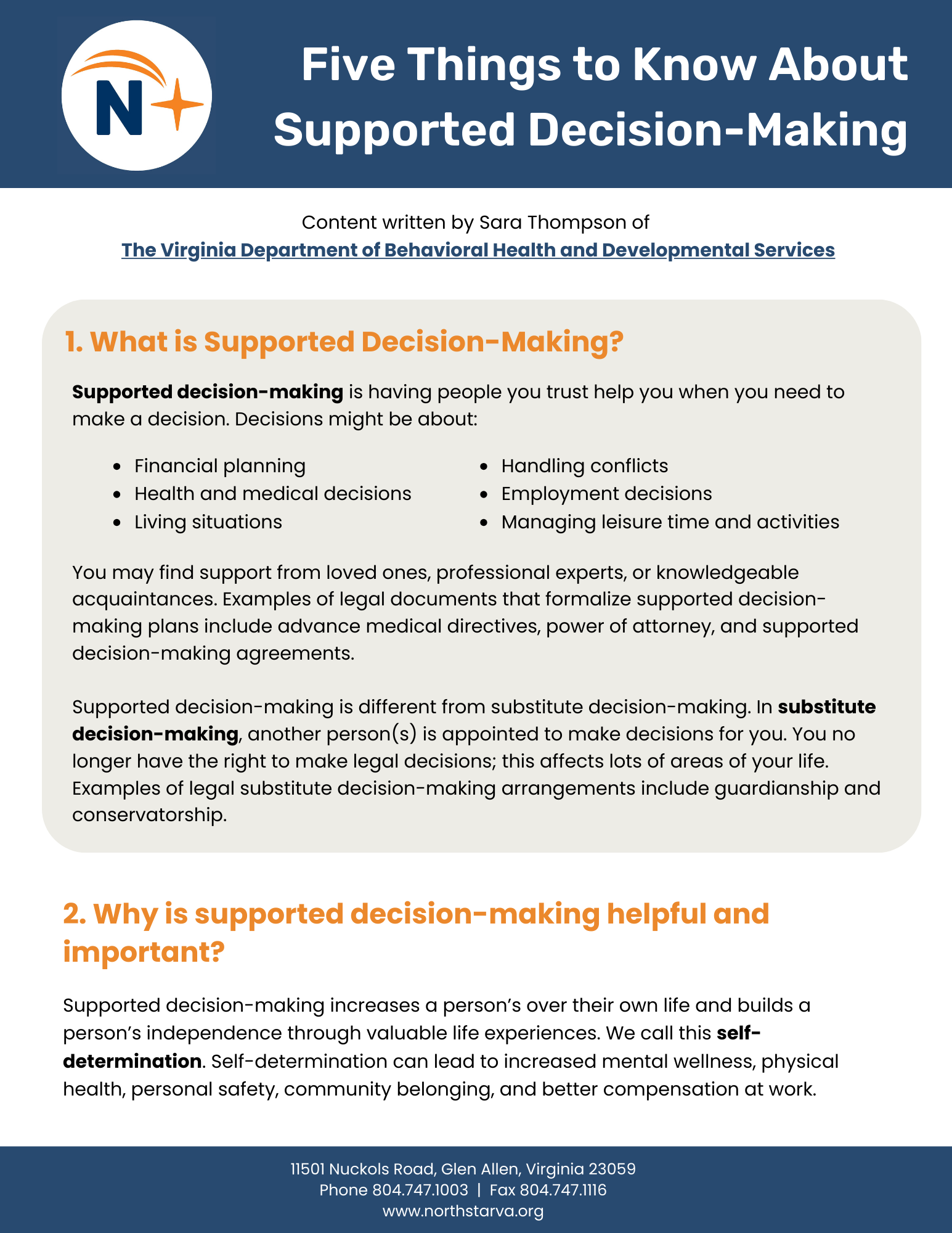
When an individual moves into adulthood, they face many decisions about healthcare, money management, and employment. Students with disabilities may make many of these decisions on their own or they may need help from someone in their support network. Families can agree to make certain decisions together, making them supported decisions.
Learn more about Supported Decision-Marking through the fact sheet below.
Resource
Family Ed Night #2
Click below to access the recording and additional resources from “Supported Decision-Making Agreements” webinar.
Click the link below to access the slide deck.
Legal and Financial Planning
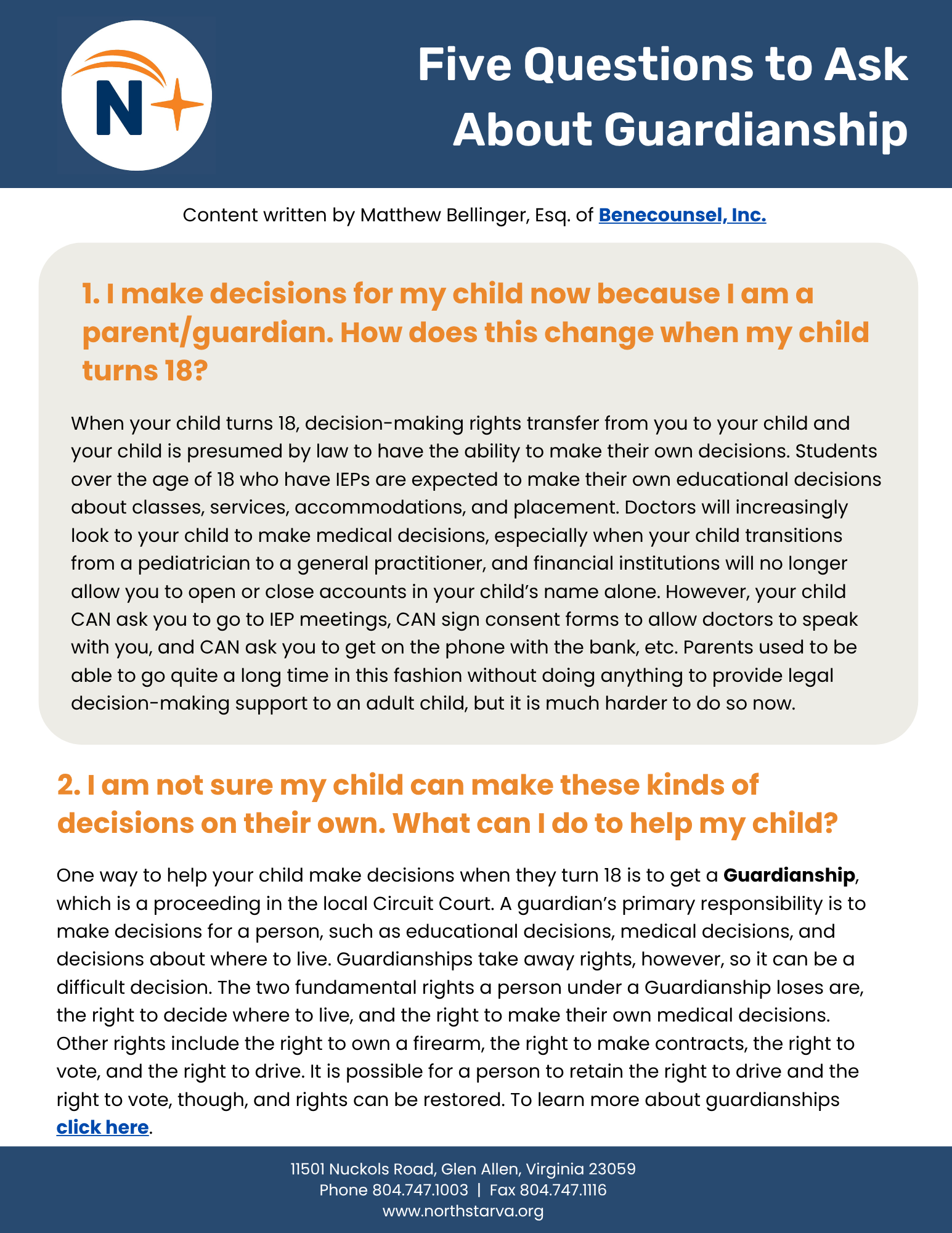
Sometimes when an individual moves to adulthood they may need more involved support when making life decisions. If this is the case, formal, legal agreements may be put in place to protect the individual’s health and wellbeing. These options include power of attorney, guardianship, and advance directives.
Learn more about Guardianships through the fact sheet below.
Resource
Family Ed Night #3
Click below to access the recording and additional resources from “Supported Decision-Making: Legal and Financial Planning” webinar.
Click the link below to access the slide deck.
Supported Decision-Making: Legal and Financial Planning Overview
Supported Decision-Making: Legal and Financial Planning Additional Materials
Post-Secondary Programs
When students leave high school they may transition to college or a work readiness program. Either way, it is important to remember post-secondary education does not have to be a four year journey. After leaving high school, individuals with disabilities are guaranteed equal access to programs through the Americans with Disabilities Act (ADA). Families should visit each program’s Office of Student Accommodations to see if that organization’s experience is the best fit.
Learn more about Post-Secondary Programs through the fact sheet below.
Resource

Family Ed Night #4
Click below to access the recording and additional resources from “Post-Secondary Programs: Life After Graduation” webinar.
Click the link below to access the slide deck.
Independent Living
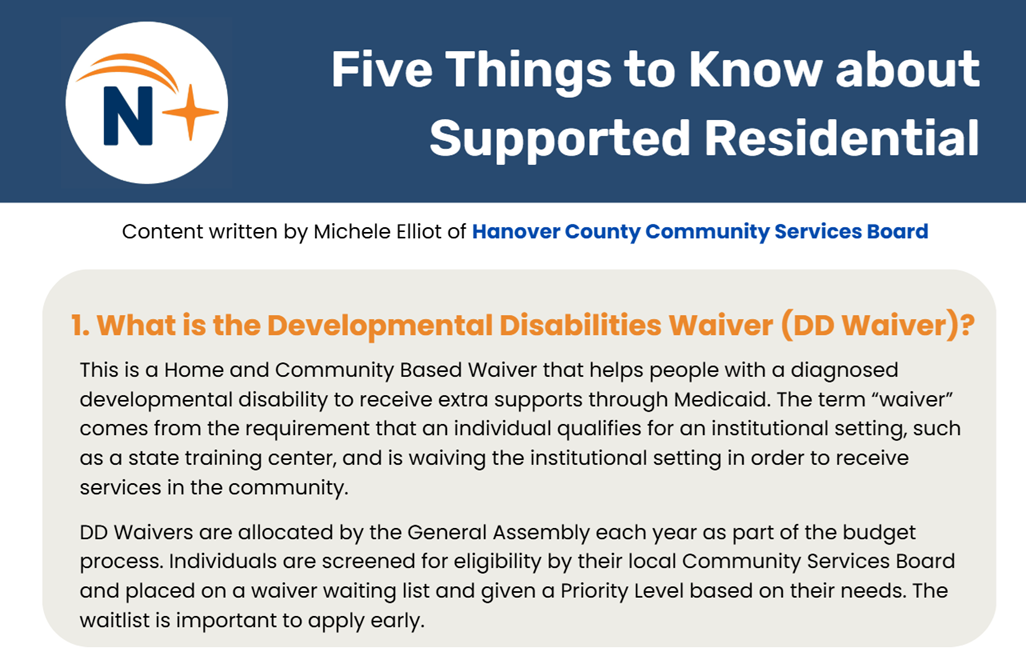
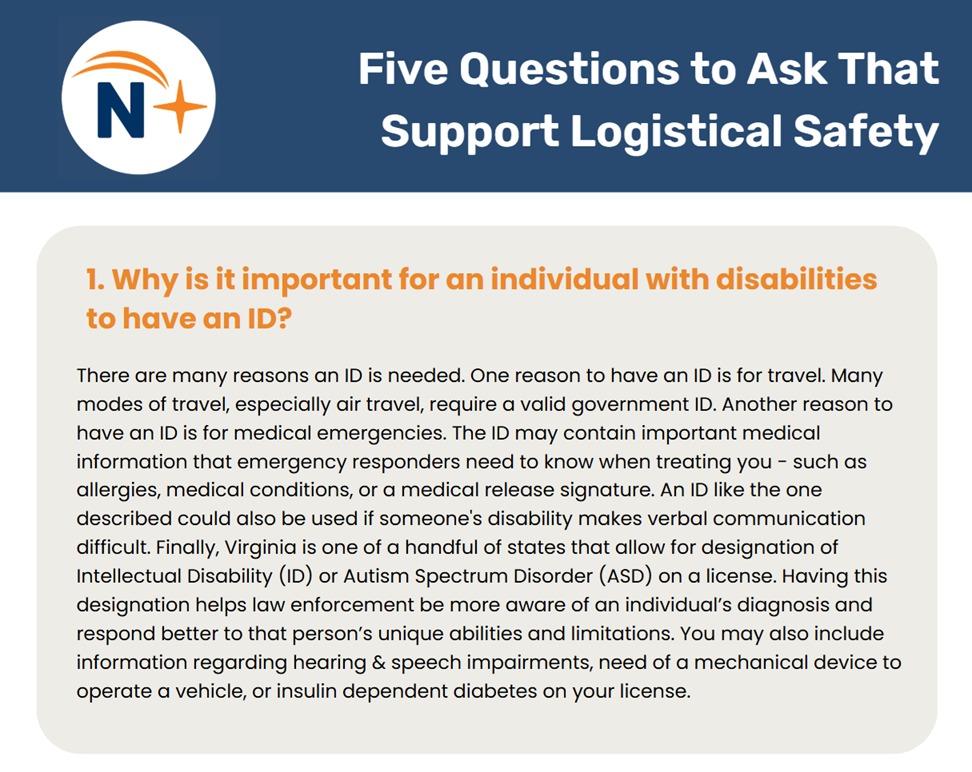
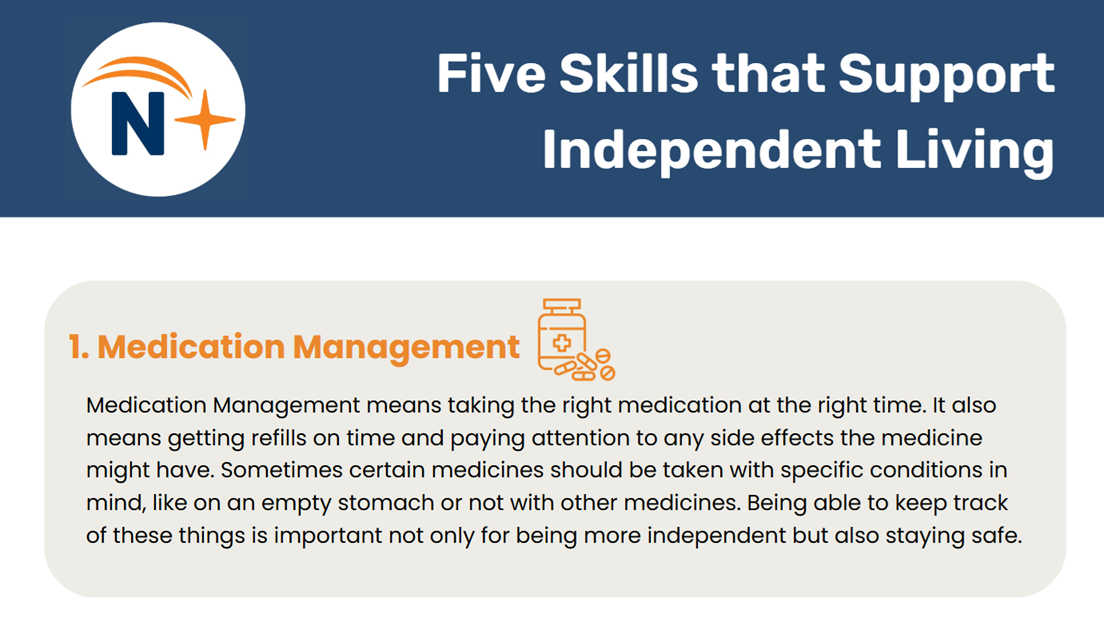
Independent Living means being able to make choices about things like living arrangements, transportation, leisure activities, employment, and physical care. It does not necessarily mean living on one’s own. It means not being limited in the type of life you live. There are a number of supports available to make this possible.
Learn more about Independent Living supports and funding through the fact sheets below.
Resources
Family Ed Night #5
Click below to access the recording and additional resources from “Promoting Independence: Living and Transportation” webinar.
Click the link below to access the slide deck.
Job Searching
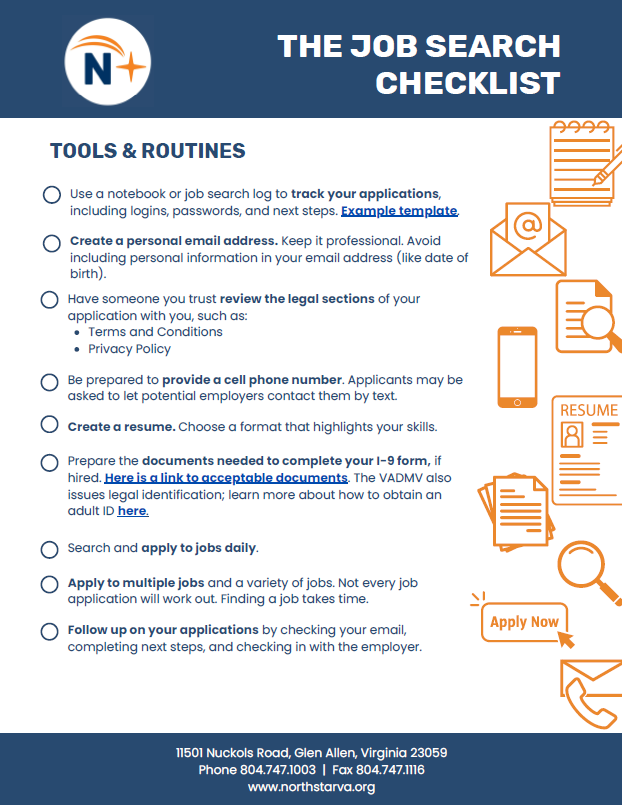
Finding and holding a job has many benefits. The one people think about the most is earning money, but having a job also teaches skills like talking to others, being on time, and staying on task. Having a job is also a way to meet new people and feel good about yourself. To apply for and start a job, an individual needs to have many things in place. This list is longer when that person is just entering adulthood and looking for their very first job. The list may be longer still if that person plans to have extra support from someone like an Employment Support Specialist.
Learn more about tools and routines to help with the Job Search through the check list below.
Resource
Family Ed Night #6
Click below to access the recording and additional resources from “The Job Search: Planning and Supports” webinar.
Click the links below to access the slide decks.
Community Engagement and Resilience
Community Engagement means being actively involved in a group of people who have something in common. Members of a community might share a favorite hobby or simply live in the same place. Being part of a community gives people a sense of belonging and purpose. It also adds to their support network and gives them others to talk to and depend on. Finding ways to engage in the community is one of the best ways to improve mental health and reduce feelings of anxiety or depression.
Resources
- Lorem ipsum dolor sit amet, consectetur adipiscing elit. — www.urlplaceholder.com
- Ut elit tellus, luctus nec ullamcorper mattis, pulvinar dapibus leo — www.urlplaceholder.com
- Lorem ipsum dolor sit amet, consectetur adipiscing elit. — www.urlplaceholder.com